Pervious Concrete + Golf: New Ways to Waste Money
I found this gem while perusing LinkedIn. /s
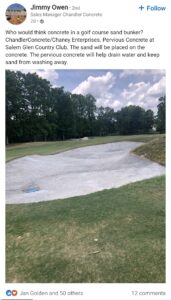
They want to place pervious concrete under a bunker to help with drainage. The course should have just saved the money, and handed all of the member’s a sleeve of Titleist Pro V1’s.
—
Golf courses are subject to Mother Nature’s whims. One of those challenges is rain, and particularly managing stormwater runoff at low points on the course. Bunkers are often among the lowest points on a hole, collecting large amounts of run-on. To get a course back to its playing condition, it’s important to drain the bunkers.
But this is the wrong way to do this.
Why this is a terrible idea
- Golf– When hitting a bunker shot you are taught to take sand. However, if a ball were to land on something hard, the rules allow you to take relief (aka move the ball). Hitting something hard—especially when you don’t mean to—is a recipe for damaging your club, or worst injuring the golfer.
- Stormwater– Pervious concrete is a poor product for the real-world. It’s designed with small pores to allow water through. However sediment like sand quickly clogs these pores rendering this product worthless. So putting a large amount of sand on the surface–guarantees that it will clog—ensuring water ponds on the surface.
So clearly this was only a good idea on paper.
What would I do differently
While a drainage system would be great, it’s quite expensive. Instead, I would fix it with better design and proper grading.
The issue at the bottom of a bunker is more of a hydraulic one. The surface and by extension the ground under it is sloped to meet the grass surface. This slope forces the water to infiltrate through a small area. Better (read: level) grading of the soil base would be better. Soil, even clay, is better at infiltrating than most people realize.
…and now back to working on my sand game and hopefully not hitting the worthless concrete under it.

VP of Business DevelopmentAaron Fisher
Latest News

Saving on School Construction
A new school is a big financial and community investment. It makes a community more attractive to students, teachers, families, […]
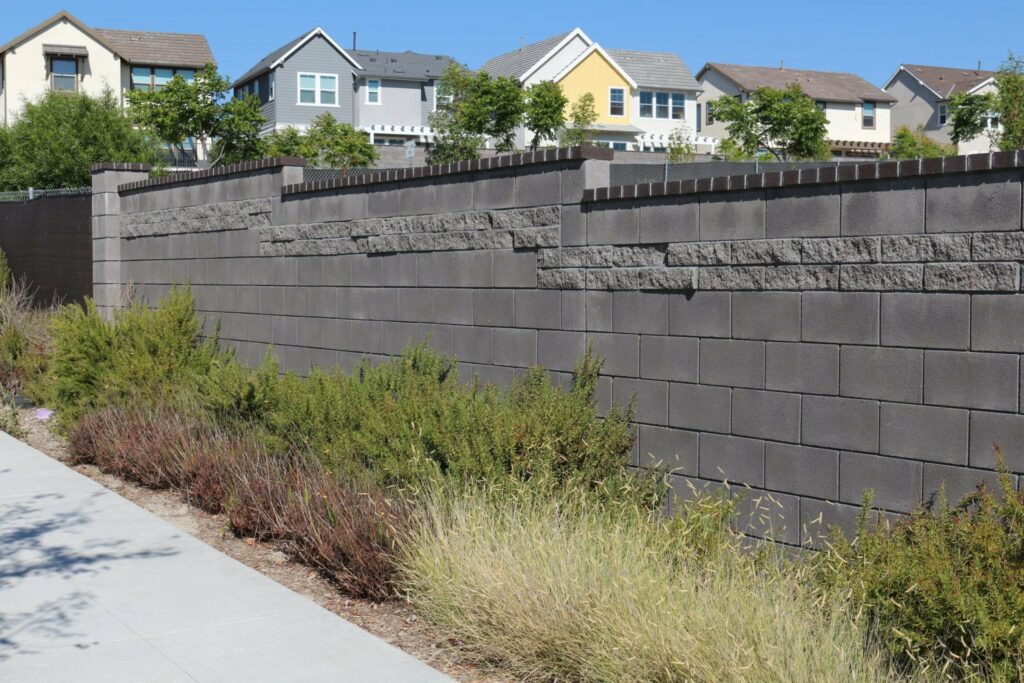
Insurance: Impacted by Material Choices
With the increased risk of disasters and the cost of construction; insurance costs are up. But, they aren’t going up […]
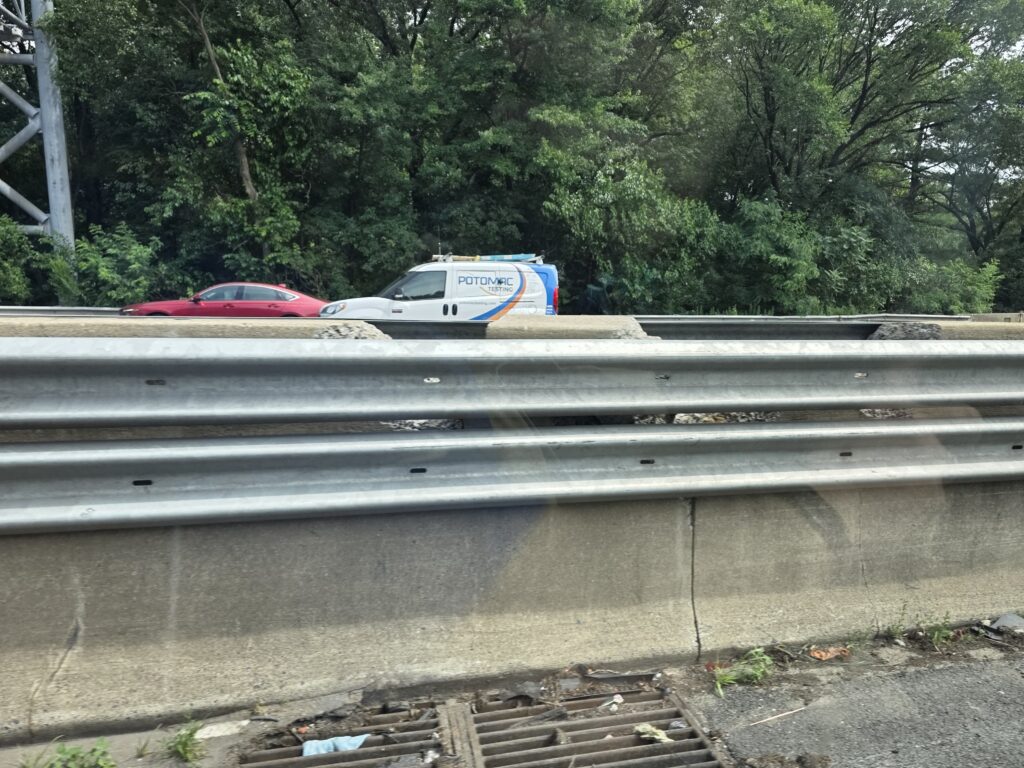
Wastefully Fixing Traffic Barriers
On I-495 and I-270, MDOT has been stapling Steel W-Beam Barriers to crumbling concrete barriers. What happened to these barriers? And […]
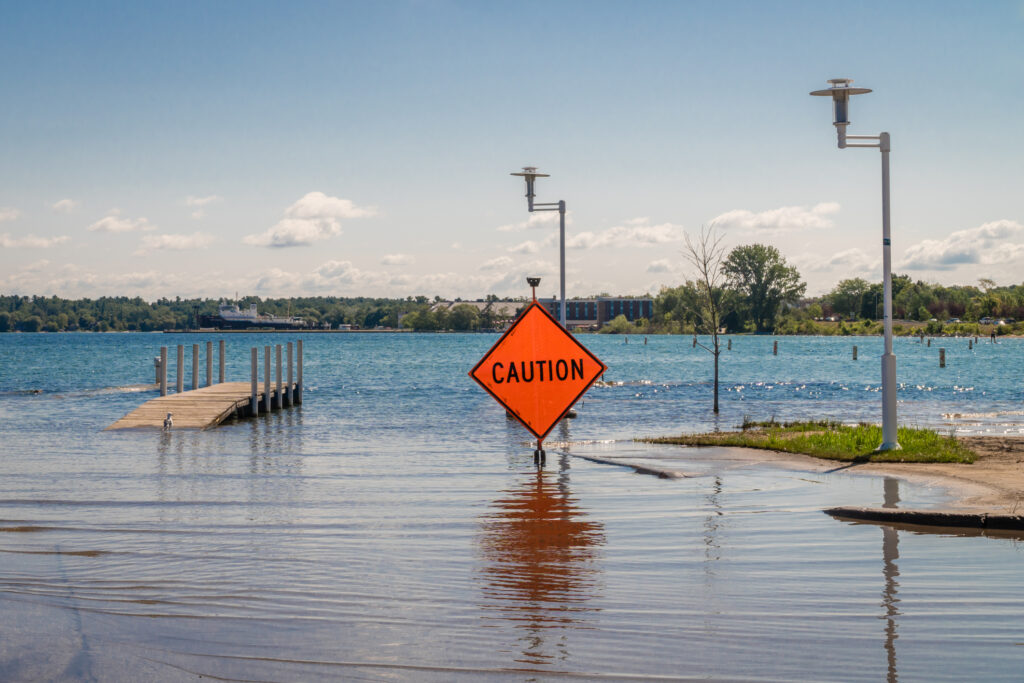
Building for Tomorrow, Today
Every building or structure has a designated lifetime: 30 years, 50 years, 100 years. However what happens when the conditions […]
