Weep Holes In Retaining Walls: What They Are And Why They Matter
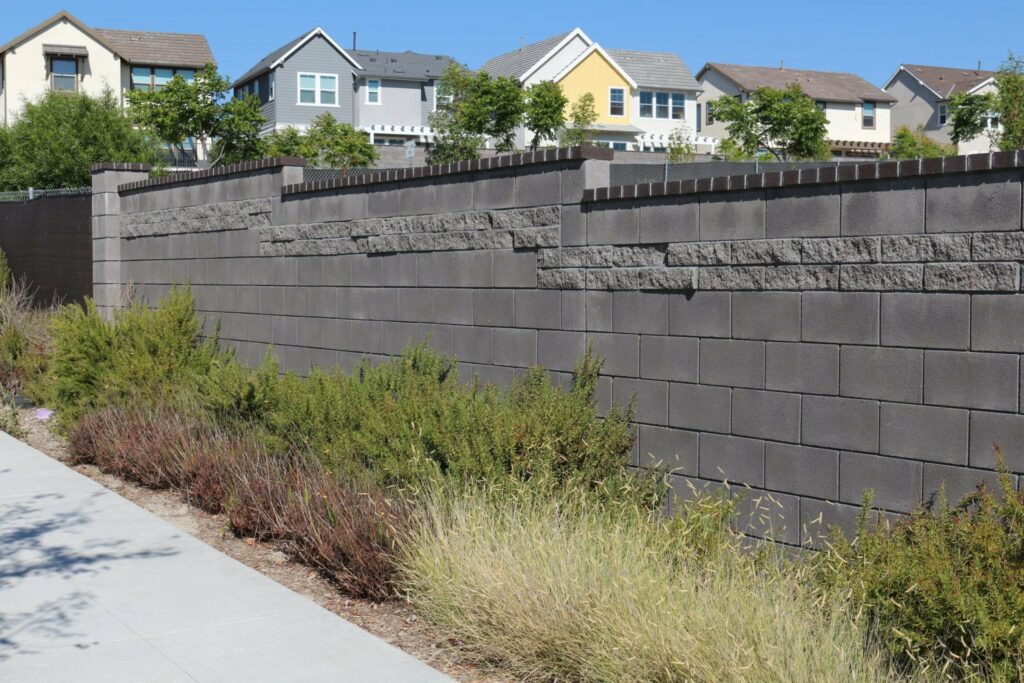
Retaining walls are important structures that offer stability and prevent soil erosion, often in landscaping, urban developments, and infrastructure projects. While they may seem simple, the design of retaining walls involves several necessary components, an important one being weep holes in retaining walls. These small openings play a significant role in the performance and longevity of retaining walls, ensuring that water does not compromise the structure.
Let us explore what weep holes are, how they function, and why they are important for a wall’s effectiveness. By understanding their importance, you can make better decisions when planning and building retaining walls that will last for years to come.
What You Should Know About Weep Holes
These are small drainage openings built into walls to let water escape from behind the structure. Their primary function is to release water that accumulates behind the wall, preventing excessive pressure from building up. Without proper drainage, water trapped on the other side of the retaining wall can lead to significant problems, including structural failure, cracking, and soil erosion.
When water collects behind a wall, it creates hydrostatic pressure. This pressure can cause the wall to lean, crack, or even collapse if not properly managed. Weep holes offer a simple and effective way to decrease this pressure since they let water to seep through, helping to maintain the wall’s stability.
Why Do Weep Holes Matter?
Weep holes play a vital role in the retaining walls’ design for multiple important reasons. Here’s why they matter:
- Prevention of Hydrostatic Pressure
One of the primary reasons for installing weep holes in retaining walls is to prevent hydrostatic pressure. When water collects behind a wall without a way to escape, the pressure builds up, which causes the wall to bow or crack over time. Weep holes allow the water to drain away, reducing the risk of pressure buildup and helping to maintain the wall’s integrity.
- Avoiding Water Damage and Erosion
In addition to preventing pressure buildup, weep holes also help to prevent water from seeping into the wall structure itself. Over time, water degrades and erodes the materials used in the wall, weakening it. Weep holes direct water to the outside, keeping the materials dry and reducing the risk of corrosion or erosion, especially in metal and concrete walls.
- Extending the Wall’s Life
Since these holes reduce water-related damage, they extend the life of a wall. The added drainage keeps the wall from succumbing to environmental stressors like freezing and thawing, which can cause cracks and expansion in the materials. Eventually, weep holes save you money on repairs and maintenance, making them a wise investment for the durability of the retaining wall.
How Do Weep Holes Function?
Weep holes are strategically placed to facilitate proper drainage. Here’s how they work:
- Water Accumulation Behind the Wall
Water can accumulate behind a wall for several reasons. Rainwater, irrigation runoff, or groundwater soaking the wall can all contribute to moisture buildup. Without a way for the water to seep through, this trapped moisture creates pressure, which could lead to damaging the wall over time.
- Water Drains Through Weep Holes
Weep holes allow the water to flow freely from behind the wall. The openings create a passage for water to seep through to the front of the wall, where it can drain safely. This process prevents the buildup of excess pressure and helps reduce the risk of water pooling behind the wall.
- Water Is Guided to the Ground
Once the water exits through the weep holes, it is directed toward the ground and away from the wall. This is often done with gravel or a drainage pipe to help the water be absorbed into the soil. Proper grading makes sure water is carried away from the base of the wall, reducing the risk of further complications.
- Air Circulation and Evaporation
Weep holes also promote air circulation behind the wall. This helps moisture evaporate, which reduces the likelihood of mold or mildew buildup. Proper airflow through the weep holes leads to long-term wall health and minimizes moisture-related issues.
- Preventing Frost Heave Damage
In colder climates, trapped water can freeze behind the wall, causing it to expand and shift, a process known as frost heave. Weep holes let water seep through before it freezes, preventing damage caused by the expansion and contraction of ice. This is particularly necessary for retaining walls in regions that experience cold winters.
Weep Holes Types
Weep holes come in several different types, each suited to different types of walls and construction methods. The most common types include:
- Open Joint Weep Holes
In masonry retaining walls, weep holes can be created by leaving certain joints open during the construction process. These gaps in the mortar permit water to seep through, while still maintaining the overall structure of the wall. Open joint weep holes are commonly used in stone and brick masonry walls.
- Tube or Pipe Weep Holes
For concrete or stone walls, weep holes are often created by embedding short sections of plastic or clay pipes during construction. These tubes or pipes are placed at regular intervals and act as channels for water to drain out. This method is highly effective for creating consistent drainage and can be customized to suit the specific needs of the retaining wall.
- Drilled Weep Holes
In some cases, weep holes can be drilled into an existing retaining wall. This retrofitting method is commonly used when an older wall appears to have water accumulation behind it. Drilled weep holes are typically installed at the base of the wall, where water tends to collect, and offer an effective solution for improving drainage.
Proper Placement and Size of Weep Holes
To guarantee that weep holes are effective, they must be placed and sized correctly. Here are some important considerations for their placement:
- Spacing Between Weep Holes
Weep holes should be spaced at regular intervals along the length of the retaining wall. Typically, weep holes are placed every 24 to 36 inches. The spacing helps the water to drain effectively across the entire length of the wall.
- Size of Weep Holes
The size of weep holes depends on the amount of water expected to accumulate behind the wall. The holes should be large enough so water flows through them freely, but not so large that they compromise the wall’s structural integrity. Typically, weep holes have a diameter of ¾ inch to 1 inch.
- Height of Weep Holes
Weep holes are generally placed near the bottom of the wall, where water tends to accumulate. However, it may also be necessary to leave a small gap at the top of the wall to allow air to circulate. This helps prevent moisture buildup and mold growth within the wall.
Maintenance of Weep Holes
Once the retaining wall is built with weep holes, it is important to maintain them properly. Over time, debris, dirt, and plants can block weep holes, reducing their effectiveness. Regular inspection and cleaning are necessary for the drainage system to continue functioning properly. Here’s how to maintain weep holes:
- Inspect Regularly: Check weep holes regularly for blockages. Look for any water pooling behind the wall, as this may indicate that the weep holes are clogged.
- Clear Debris: Remove any dirt, leaves, or other debris that may block the weep holes. A small brush or compressed air can help clear the openings.
- Check for Damage: Confirm that the pipes or openings in the wall remain intact and free from cracks or damage. Any damage to the weep holes should be repaired promptly to maintain effective drainage.
Weep Holes and Other Retaining Wall Features
While weep holes are important for drainage, they work best when integrated with other elements of the retaining wall system. Proper reinforcement, aggregates, and natural stone choices can further enhance the wall’s strength and drainage capacity.
For example, using natural stone in the construction of your wall can offer not only beauty but also durability and resistance to erosion. Combining the right materials with effective drainage solutions makes the retaining wall perform optimally for a long time.
If you are interested in exploring some of these materials for your next project, be sure to check out our outdoor living products for design ideas and inspiration. You can find a range of products that fit seamlessly with your landscaping or construction needs. Additionally, browse our past projects and inspirations for even more creative ideas to enhance your outdoor spaces.
Weep holes in retaining walls are a simple yet effective feature that plays a significant role in ensuring the wall’s stability and longevity. By allowing water to seep through, they prevent pressure buildup, water damage, and erosion. If you are building a new retaining wall or retrofitting an existing one, understanding the importance of weep holes and ensuring they are correctly installed will help maintain the wall’s structural integrity and extend its life. Keep your wall functioning properly with regular maintenance, and make sure it can stand the test of time, rain, and pressure.

Hardscape SalesMike Schmidt
Latest News

Saving on School Construction
A new school is a big financial and community investment. It makes a community more attractive to students, teachers, families, […]
Insurance: Impacted by Material Choices
With the increased risk of disasters and the cost of construction; insurance costs are up. But, they aren’t going up […]

Wastefully Fixing Traffic Barriers
On I-495 and I-270, MDOT has been stapling Steel W-Beam Barriers to crumbling concrete barriers. What happened to these barriers? And […]
Building for Tomorrow, Today
Every building or structure has a designated lifetime: 30 years, 50 years, 100 years. However what happens when the conditions […]
