What Are Miscellaneous Metals?
In construction, “miscellaneous metals” refers to a wide range of metal products that are important to the functionality and structure of a building but do not fall into more specific categories like structural steel or framing materials. These metals play a key role in supporting various components of a construction project, from handrails and stairs to supports and bracing. But what exactly are miscellaneous metals, and why are they so important in the construction industry?
The Role of Miscellaneous Metals in Construction
Miscellaneous metals are materials used in construction projects for functions that are not covered by standard categories like steel beams or concrete supports. They include metal items that serve a wide variety of purposes, from offering structural support to enhancing aesthetic appeal. These items complement the primary building materials such as wood, structural steel, natural stone, and aggregates, ensuring that the finished structure meets both functional and design specifications.
Some common examples of miscellaneous metals include:
- Metal Railings: Often installed for safety and design purposes, railings are important in stairways, balconies, and other areas where support is needed.
- Staircases and Ladders: These components often require durable metals, especially for commercial or industrial buildings where high traffic and usage are expected.
- Grates and Covers: Metal grates used in walkways or drainage systems help prevent accidents while offering strong, weather-resistant surfaces.
- Brackets and Anchors: Miscellaneous metals also include smaller components such as brackets, fasteners, and anchors, which help in securing large structural elements in place.
Common Materials Used for Miscellaneous Metals
Various metals are used in the creation of miscellaneous metal components, including:
- Steel: A common choice due to its strength and versatility, steel is used in everything from handrails to braces. Its durability leads to long-lasting performance even under heavy loads or exposure to the elements.
- Aluminum: Known for being lightweight, corrosion-resistant, and strong, aluminum is often used for non-structural components, like window frames or decorative elements, where weight is a consideration.
- Stainless Steel: This metal is particularly useful in environments where corrosion resistance is a priority, such as in coastal or industrial areas.
- Wrought Iron: Frequently used for decorative elements such as gates or ornamental railings, wrought iron offers both aesthetic appeal and strength.
Why Are Miscellaneous Metals Important?
The use of miscellaneous metals guarantees that a building not only meets safety and structural standards but also achieves its intended aesthetic design. These metals are incredibly versatile, serving functional, decorative, and safety purposes in construction projects. They are necessary to meeting building codes and regulations while contributing to the longevity and safety of the structure.
In addition to enhancing functionality, miscellaneous metals are also an important factor in sustainable construction. Materials like steel, when recycled, contribute to the reduction of waste and the environmental impact of the building process.
How Miscellaneous Metals Complement Other Building Materials
While miscellaneous metals serve their own purpose, they are often used in conjunction with other materials like aggregates, natural stone, and steel. For example, when installing a decorative metal railing around a stone staircase, the combination of natural stone and steel adds both aesthetic appeal and structural integrity. Similarly, when reinforcing a building’s foundation with steel supports, smaller miscellaneous metal components like brackets help with stability in hard-to-reach areas.
At Ernest Maier, we understand the importance of using high-quality materials like steel, aggregates, and natural stone for your construction needs. With the right combination of materials, you can achieve both the durability and visual appeal that your project requires.

VP SteelRobert Harrison
Latest News
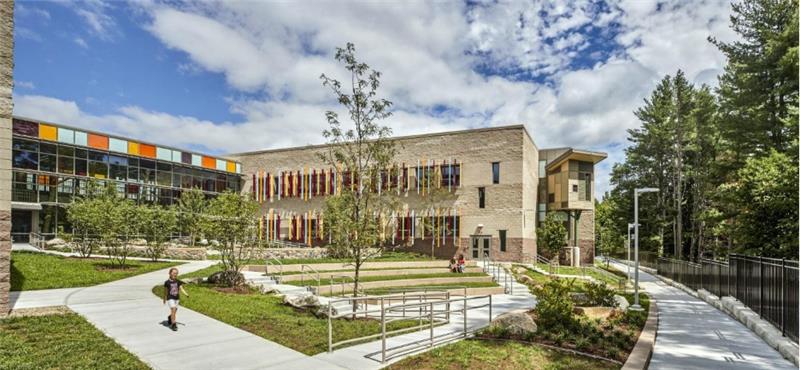
Saving on School Construction
A new school is a big financial and community investment. It makes a community more attractive to students, teachers, families, […]
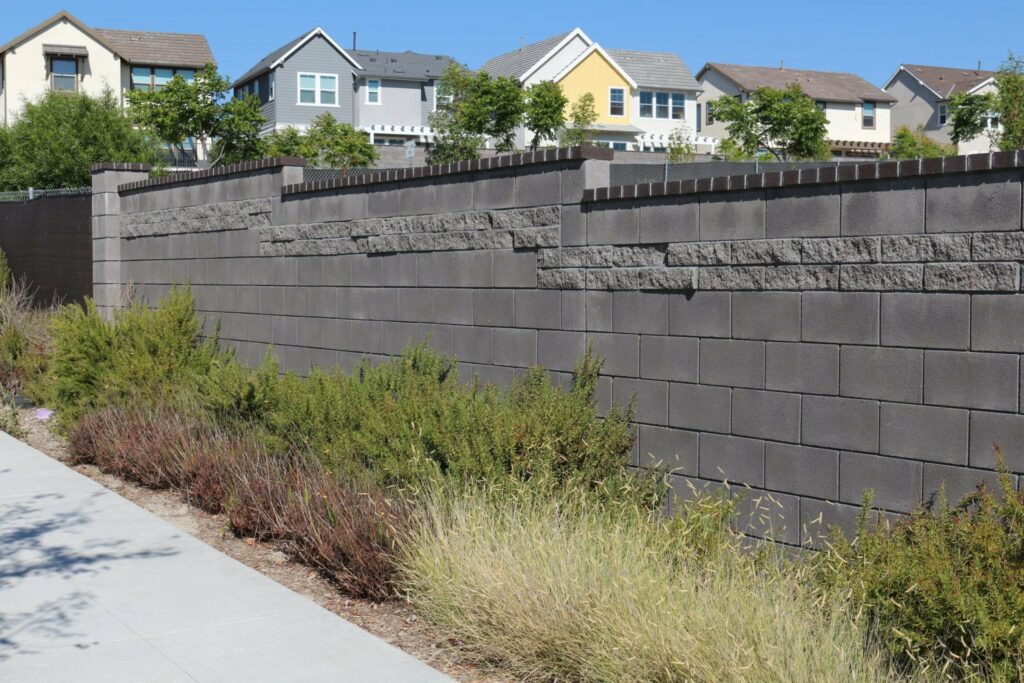
Insurance: Impacted by Material Choices
With the increased risk of disasters and the cost of construction; insurance costs are up. But, they aren’t going up […]
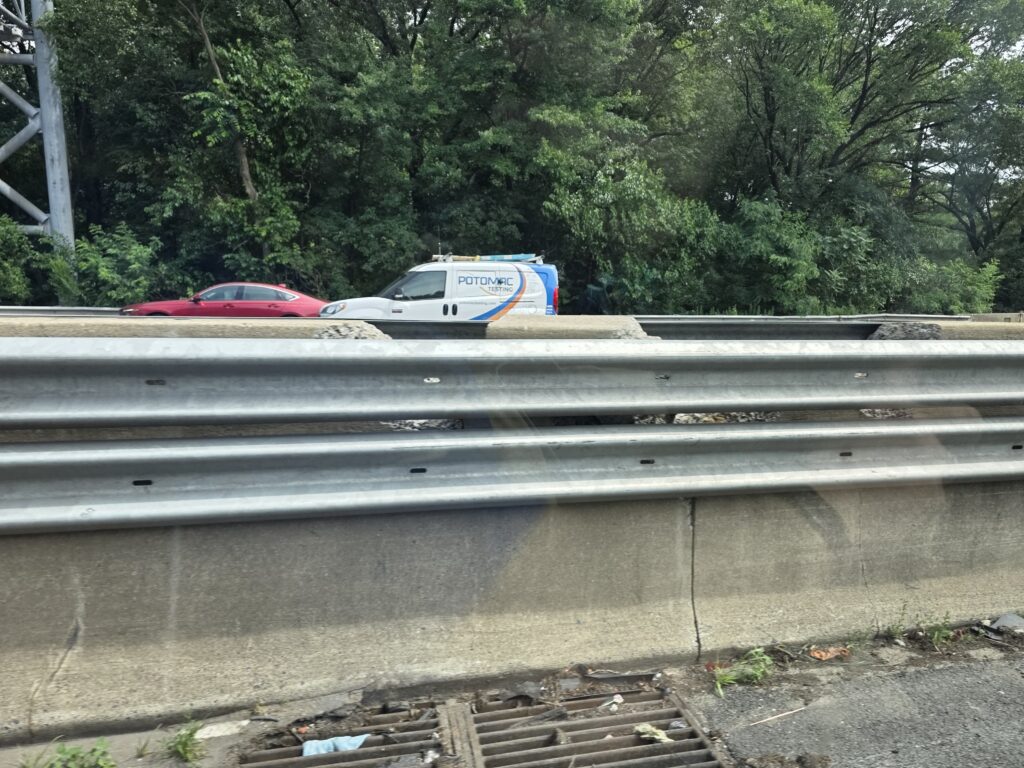
Wastefully Fixing Traffic Barriers
On I-495 and I-270, MDOT has been stapling Steel W-Beam Barriers to crumbling concrete barriers. What happened to these barriers? And […]

Building for Tomorrow, Today
Every building or structure has a designated lifetime: 30 years, 50 years, 100 years. However what happens when the conditions […]
