Better Defining Affordable Housing
Affordable housing is a rallying cry for politicians of all stripes. Having a safe place to put your head down at night is a basic social need.
What Exactly is Affordable Housing?
Affordable housing is often defined as access to residential units for which the occupant pays <1/3 of their income. Many organizations focus though on first costs—the sticker price. This has certainly grown, but it overlooks critical issues around affordability.
As anyone will tell you affordable housing not only means money, but it also means safe, quiet, and comfortable. Tents are pretty low cost, but they are neither quiet nor easy to air condition.
Towards Total Cost of Ownership
Moving beyond this strawman, there is a lot of variation in what constitutes safe, quiet, and comfortable housing:
- Thin walls and floor don’t appear on a 3D tour, but make relaxing difficult.
- Mold is also another insidious health problem. Furthermore, it can be covered up, without being remediated.
- Vinyl siding will last a lot longer, with much less maintenance than wood siding. Both though are dwarfed by masonry, which can last millennia.
So while $500,000 is a lot of money for a house (and is most folks single largest purchase), most people’s mortgage spread these payments over 30 years. In each of these 30 years, they’ll spend 2%-3% of the original purchase maintaining the home. So in the same time period of the 30-year mortgage you’ll spend almost as much maintaining the house. Look out to 50 or 100 years and what it costs to maintain/keep-up dwarfs the purchase price. And that is before insurance or utilities.
In defining affordable housing, we want folks to consider total costs: first costs, upkeep, insurance, and utilities. When all of these factors are considered we can truly have affordable housing.

VP of Business DevelopmentAaron Fisher
Latest News
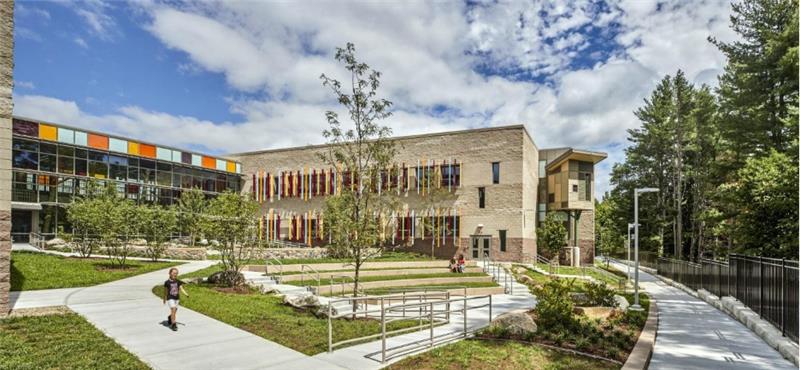
Saving on School Construction
A new school is a big financial and community investment. It makes a community more attractive to students, teachers, families, […]
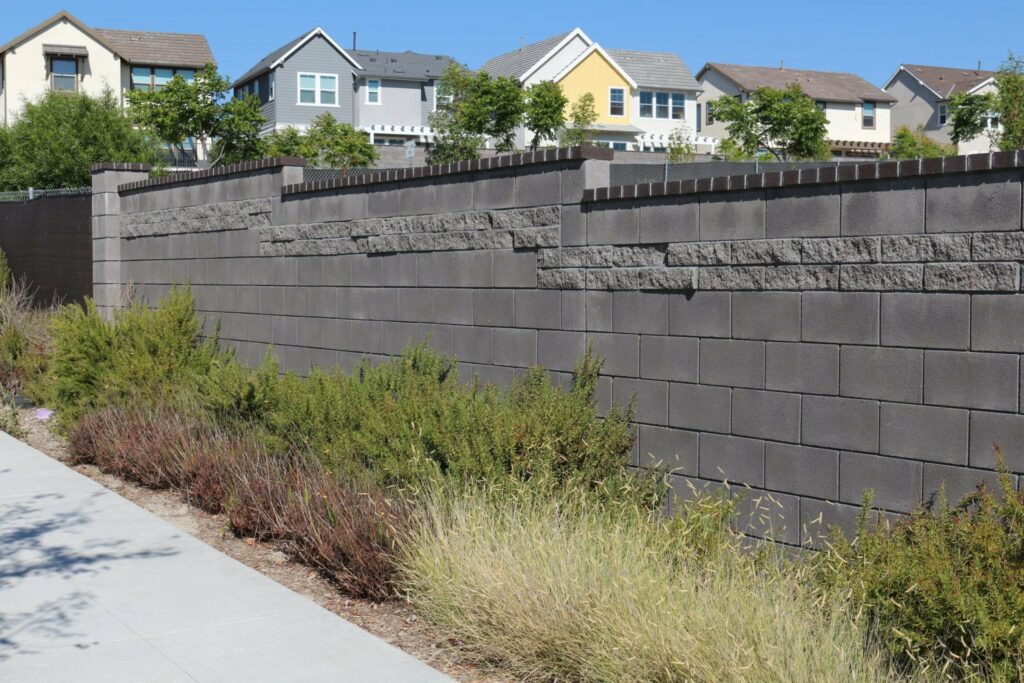
Insurance: Impacted by Material Choices
With the increased risk of disasters and the cost of construction; insurance costs are up. But, they aren’t going up […]
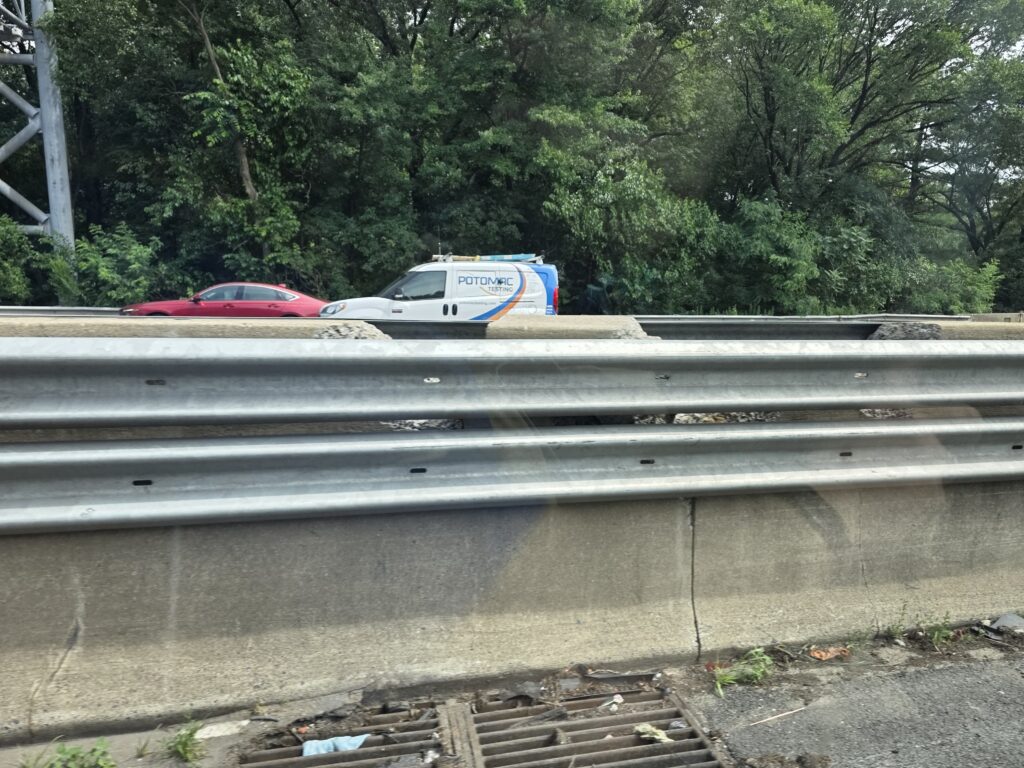
Wastefully Fixing Traffic Barriers
On I-495 and I-270, MDOT has been stapling Steel W-Beam Barriers to crumbling concrete barriers. What happened to these barriers? And […]
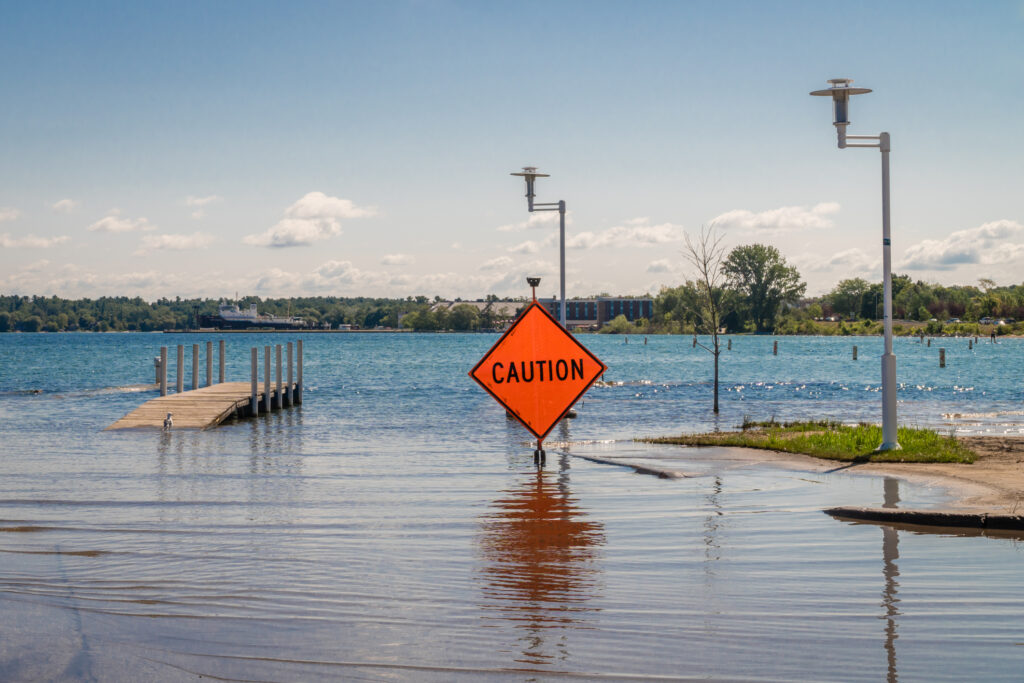
Building for Tomorrow, Today
Every building or structure has a designated lifetime: 30 years, 50 years, 100 years. However what happens when the conditions […]
