Climate Change- Already Paying For It
The size and frequency of natural disasters is changing along with the climate. And more importantly we are already paying more for it. We just don’t call it a climate change tax, we call it insurance.
We handle risk with an array of insurance products: property, life, health, etc. In its simplest terms, what we pay for insurance is based on actuary tables which estimates the likelihood and severity of a risk. While the costs of goods and services has gone up, the frequency and severity have gone up even more. This has led to insurance that is no longer affordable (See Florida’s Insurance Crisis).
While we should be looking at this from the outset in the form of more resilient construction materials like masonry; we’ve already got a lot of structures standing that merit a second look.
Curious how your home or business might be impacted by climate change. Check out this neat tool from First Street Foundation which analyzes risk based on address: riskfactor.com
What Can I Expect:
Water
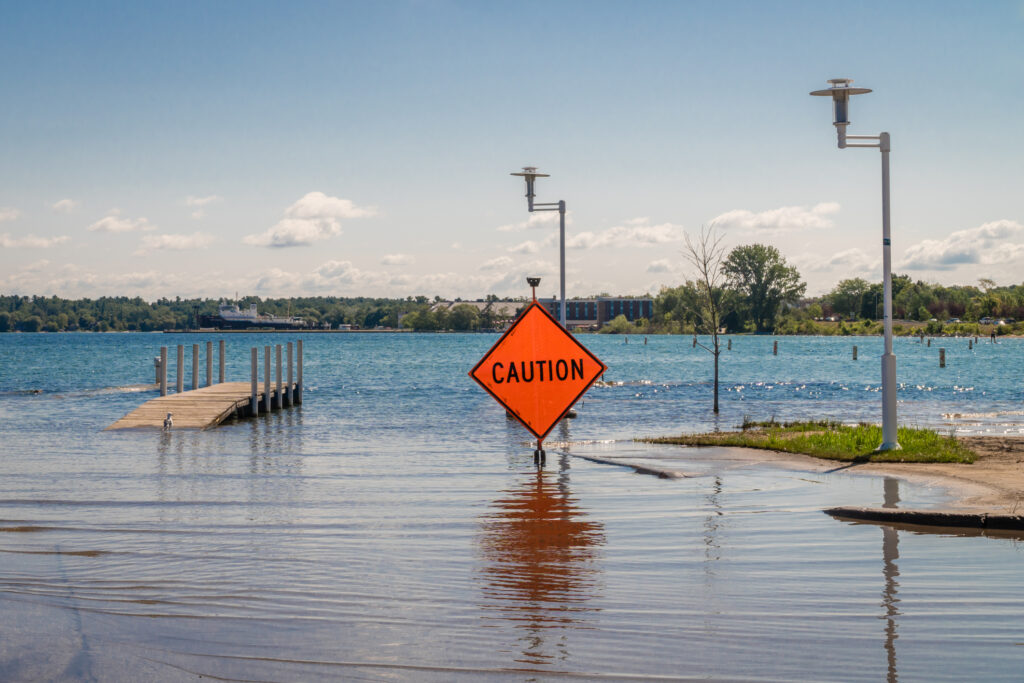
- Tidal Flooding– with less of the world’s water stored as ice there is simply more water in oceans. This means as the normal tides come and go, they are getting continuously higher (NOAA Article)
- Pluvial Flooding (aka Rain)– more water and warmer air leads to more moisture in the atmosphere. More moisture means storms can deliver more rain, and in shorter time periods.
Fire
- Dryer Conditions– while moisture is a hallmark of natural disasters, the absence of water is the result of the same phenomenon. Droughts, particularly megadroughts, make plants and in particular trees more akin to matchsticks.
- Denser Forests– we have this kind of naive thinking that plants will eat enough CO2 to offset emissions. While that is true, denser mono-cultured forests also mean that one spark has more kindling. This has lead to dramatic forest fires impacting unexpected places (see NYC in June 2023), and an interesting self-reflection on our love affair with trees as the saviors to our climate change challenge. Simply put more trees is NOT the single answer to our climate challenges.
Other Impacts
- Temperature– as we emit more greenhouse gases, we warm the planet. Heat is good to a point, above 100 degrees (and often lower with humidity) we need to seek relief.
- Wind– heat is energy that dissipates as wind. A hotter world is also one with more wind and the accompanying challenges of wind (aka tornadoes and hurricanes).
This isn’t meant to be a full accounting of the challenges, but just help you to understand that the risks and how much we pay for them keep growing.
VP of Business DevelopmentAaron Fisher
Latest News
Saving on School Construction
A new school is a big financial and community investment. It makes a community more attractive to students, teachers, families, […]
Insurance: Impacted by Material Choices
With the increased risk of disasters and the cost of construction; insurance costs are up. But, they aren’t going up […]
Wastefully Fixing Traffic Barriers
On I-495 and I-270, MDOT has been stapling Steel W-Beam Barriers to crumbling concrete barriers. What happened to these barriers? And […]
Building for Tomorrow, Today
Every building or structure has a designated lifetime: 30 years, 50 years, 100 years. However what happens when the conditions […]
