How to Avoid Rust Rings and Stains on Your Pavers
Your outdoor living space is designed to last for years, but exposure to rain, snow, and moisture can lead to rust rings or orange stains on your pavers. Fortunately, with the right prevention and maintenance, you can keep your patio, walkway, or driveway looking its best all year long.
Understand Where Rust Comes From
Rust forms when iron or steel comes into contact with water and oxygen, creating iron oxide—a reddish-brown residue that stains concrete and pavers. Common sources include:
- Metal furniture legs, grills, and fire pit rings
- Fertilizers containing iron
- Well water with high mineral content
- Tools, décor, or hardware left outdoors after rain
Even small items such as screws or chair legs can leave noticeable marks after a single storm.
Protect Surfaces Before the Weather Hits
The best way to deal with rust is to stop it from forming in the first place.
- Seal your pavers. A high-quality concrete or paver sealer creates a barrier that blocks moisture and minerals. Reapply as directed by the manufacturer (some sealers can last up to 10 years).
- Add non-metal furniture glides or rubber pads under chairs, tables, and planters.
- Use protective mats beneath grills, fire pits, or decorative metal pieces.
- Avoid iron-based fertilizers near paved areas; choose non-staining options instead.
A few preventive steps now can save hours of cleaning later.
Maintain Seasonally
Each season presents its own challenges.
- Fall and Winter: Sweep leaves and debris before snow or ice traps moisture underneath.
- Spring: After thawing, gently rinse surfaces with water and a mild detergent to remove any residue.
- Summer: Check furniture and fixtures after heavy rain to catch stains early.
Routine maintenance—just a few minutes each month—helps prevent rust from taking hold.
Treat Existing Rust Spots Promptly
If stains do appear, quick action will minimize discoloration.
- Use a rust remover formulated for pavers or concrete. Avoid vinegar or bleach, which can damage the surface.
- Test a small area first, then scrub lightly with a nylon brush.
- Rinse thoroughly and let the surface dry completely.
- Avoid wire brushes or steel wool; they can worsen the problem by leaving behind new metal particles.
Partner with the Experts
At Ernest Maier, we help homeowners and contractors protect their investment. Whether you need a professional-grade cleaner, guidance on sealing products, or advice on maintaining your outdoor hardscapes, our team is ready to assist.
Visit www.ErnestMaier.com for expert tips, product recommendations, and inspiration for your next outdoor project.

Counter SalesCyntia Bethem
Latest News

Saving on School Construction
A new school is a big financial and community investment. It makes a community more attractive to students, teachers, families, […]
Insurance: Impacted by Material Choices
With the increased risk of disasters and the cost of construction; insurance costs are up. But, they aren’t going up […]
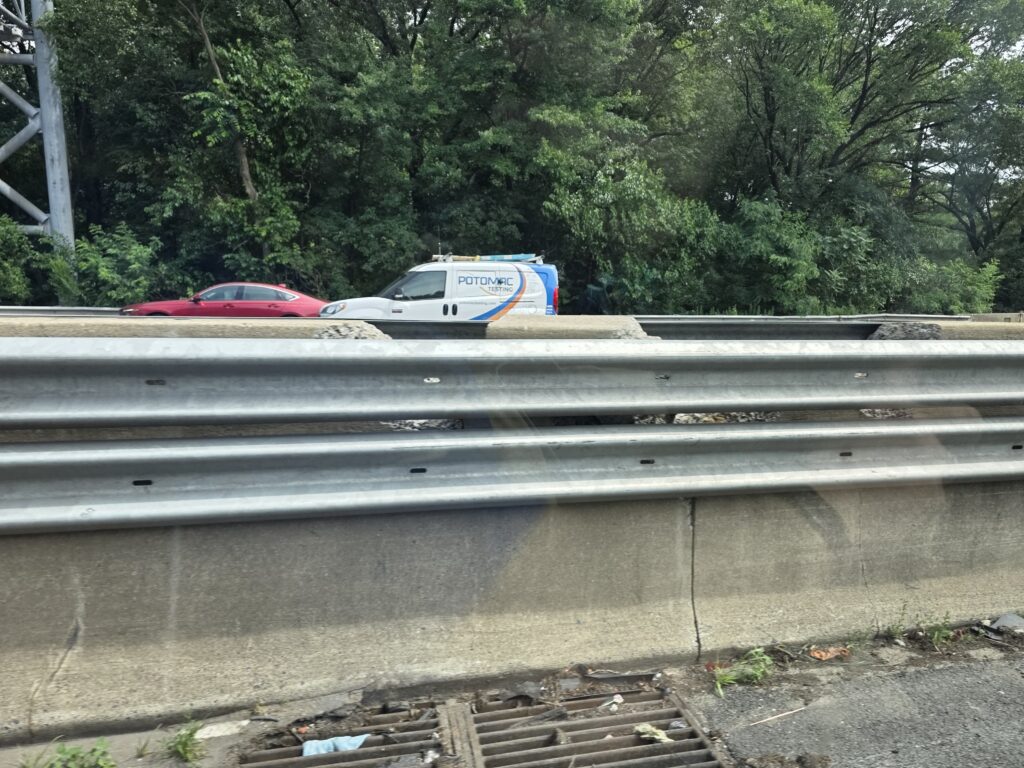
Wastefully Fixing Traffic Barriers
On I-495 and I-270, MDOT has been stapling Steel W-Beam Barriers to crumbling concrete barriers. What happened to these barriers? And […]
Building for Tomorrow, Today
Every building or structure has a designated lifetime: 30 years, 50 years, 100 years. However what happens when the conditions […]
