Corrosion: Infrastructure Cancer
Corrosion is a cancer on our infrastructure. There are thousands of bridges and other infrastructure element in poor shape or disrepair around the country. It’s not a matter of if corrosion will claim another structure, it’s a matter of when.
Corrosion is when metals and particularly iron and steel oxidize in air. This can be accelerated by exposure to moisture, salts, or other metals. Doing the opposite, say be painting or coating, delays these processes. We do a lot of this, but like gravity and time its an inexorable process.
In infrastructure, corrosion is slowed by encasing steel inside concrete. The more embedded, the more protected. However, this now means seeing the problem of corrosion is more difficult. Without being able to see, advanced diagnostic tools are required.
Finger Pointing for a Failed Bridge
This is the crux of the issue with the Washington Bridge in Rhode Island. The state is suing several engineering firms for performing visual inspections, but not engaging in the full battery of diagnostic tools. These firms have the expertise and equipment, but the additional effort and expense was not undertaken.
While the lawsuit is pointing at the inspection as the problem, I would challenge the status quo around bridge design. As stated at the outset of the article, steel corrodes and will ultimately cause any structure containing it to fail—sometimes quicker, sometimes slower. We need to move away from steel, and towards materials that endure.
Rhode Island state officials have said the new westbound bridge won’t include the problematic components that forced the closure of the old bridge. While in their mind this might mean not using post-tensioned steel (see below); it should mean using no steel at all. Many states DOTs are already limiting their use of steel. Using fiberglass rebar (GFRP) and other innovative materials means the life cycle of a bridge can go from a 10-20 years to 100+ years. We know these materials work and are already using them. Hopefully RIDOT doesn’t make the same mistake twice.
If it’s worth doing, it’s worth doing right.

Washington Bridge: Did Rhode Island miss critical warning signs ahead of the 2023 crisis?

VP of Business DevelopmentAaron Fisher
Latest News
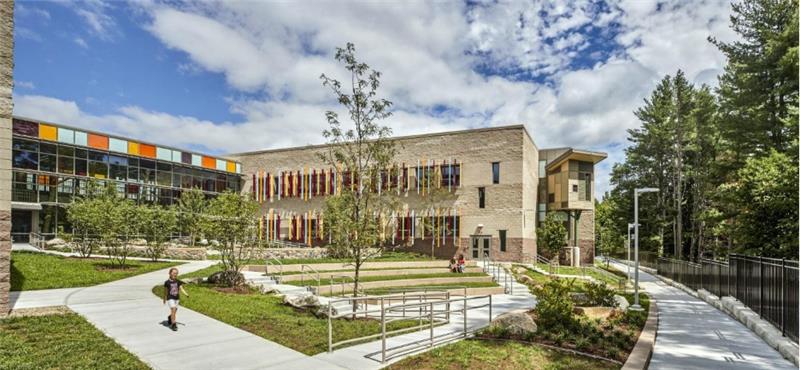
Saving on School Construction
A new school is a big financial and community investment. It makes a community more attractive to students, teachers, families, […]
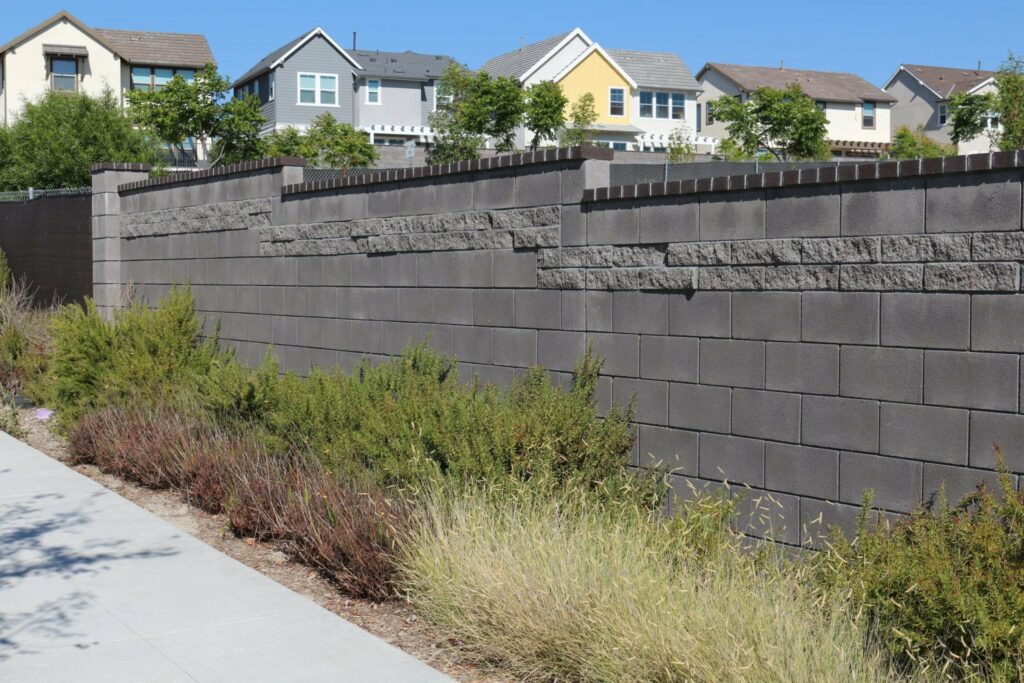
Insurance: Impacted by Material Choices
With the increased risk of disasters and the cost of construction; insurance costs are up. But, they aren’t going up […]
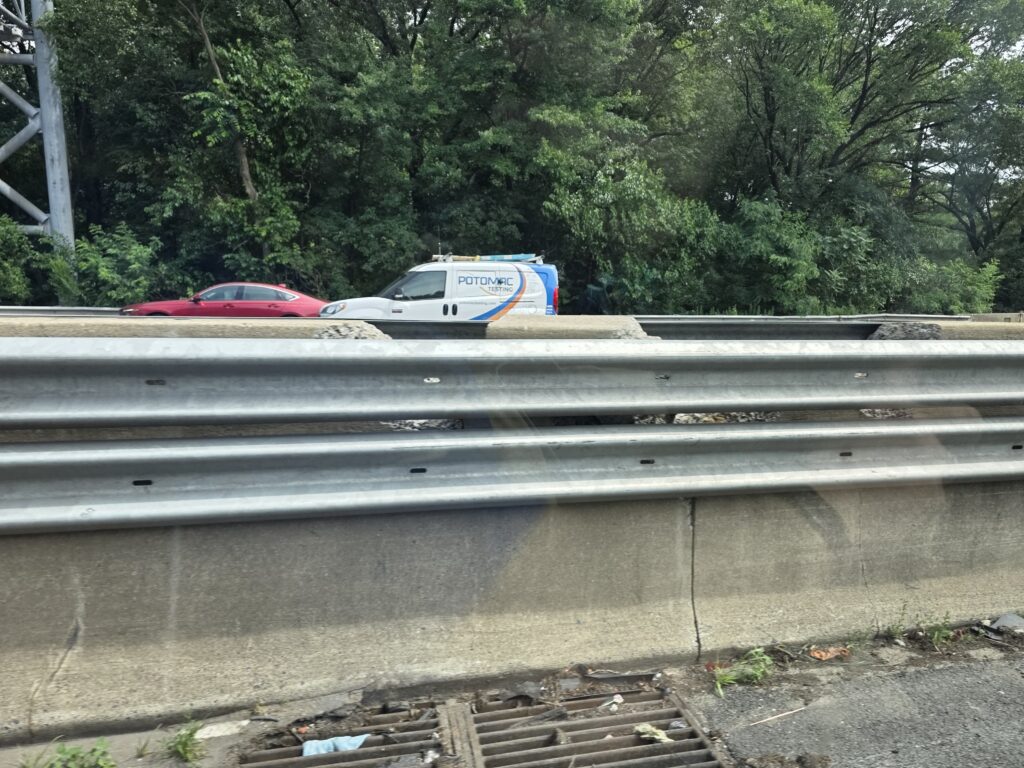
Wastefully Fixing Traffic Barriers
On I-495 and I-270, MDOT has been stapling Steel W-Beam Barriers to crumbling concrete barriers. What happened to these barriers? And […]
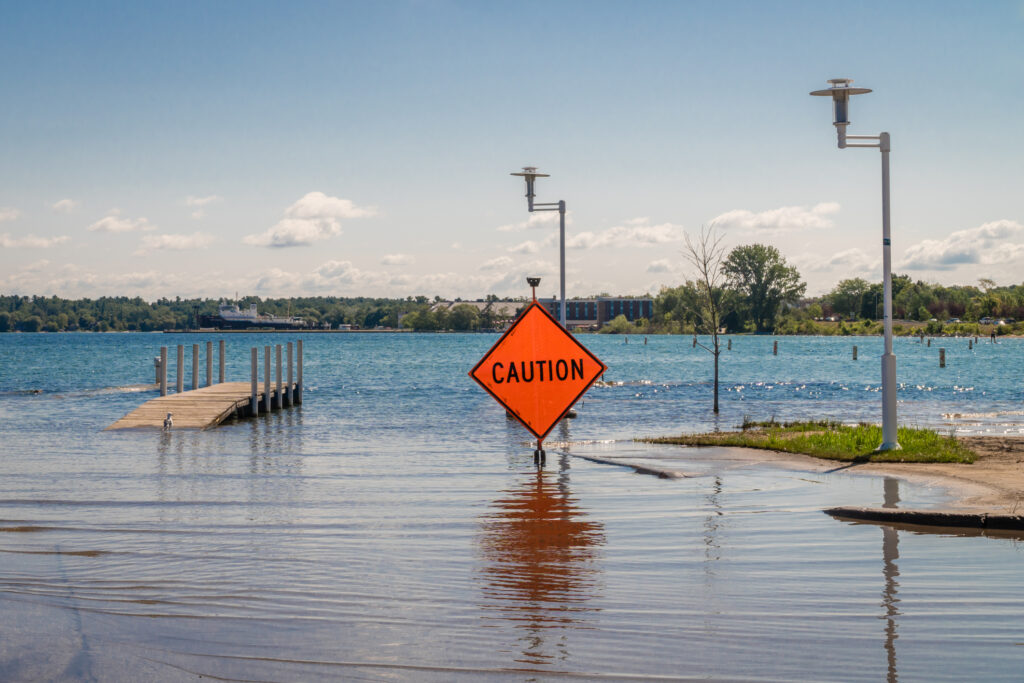
Building for Tomorrow, Today
Every building or structure has a designated lifetime: 30 years, 50 years, 100 years. However what happens when the conditions […]
