Old Codes Cost Money
“Anything worth doing, is worth doing right” – Hunter S. Thompson
Building codes serve as a minimum standard for construction. Codes give us comfort that a structure will function for its intended purpose. But, just because you pass a course doesn’t mean you got an A in the subject.
Framed a third way: saying someone is alive could mean they are either surviving or thriving, but we would certainly not confuse the two. Why then do we do accept it in our building codes?
Pound Foolish, Penny Wise
Structures built over the minimum standards:
- Need less maintenance
- Weather natural disasters better
- Retain their value better
Raising the minimum standards means more of what we build will not survive these challenges. And yes raising standard may raise the purchase price, it can also reduce the total cost by lowering maintenance (utilities, upkeep, etc.) and insurance premiums. Affordable housing means it’s affordable to live in, not just to purchase. Once you decide to build a structure, the costs to improving a design are marginal.
Recognizing Danger
Once we’ve seen a disaster in an area, there is always a real fear we will see that again. California is earthquake-prone and Florida is hurricane-prone. It’s why each state has its own building code, that while similar has key building code differences to account for these disasters. So recognizing and adapting to recurring risk is critical. To their credit, state code officials have often done this. Its why Florida and California have two of the most stringent building codes in the country.
Building to a 10-Year Old Standard
However, code cycles are often slow. Codes are updated every 3 years, local jurisdictions often wait a code cycle or two to adopt the latest code. Their implementation is then slowed down by grandfathering of designs, which are often copy/paste of previously completed works. This means that a building being constructed today, might effectively be based on 10+ year old methodologies. Imagine being told you had to use a 10-year old iPhone. And while building technology isn’t changing as much as iPhone’s, this is still mind-numbingly slow.
Not Subsidizing Bad Investments
Funny enough I was prompted to write this article because of a clear example of old building codes costing money. By not adopting the latest building codes around flooding and resilience North Carolina may be forced to forfeit disaster recovery funds (NC Newsline). The thinking is sound, that the federal government should not be subsidizing a recurring problem with disaster relief and recovery funds. With limited funds, we should be supporting those doing things the right way. Unfortunately the folks who would benefit, probably have little understanding or control around the codes.
—-
Simply put codes are good at limiting damage, but they are also unintentionally good at limiting innovation. Happy to chat if you have some ideas on this problem.

VP of Business DevelopmentAaron Fisher
Latest News
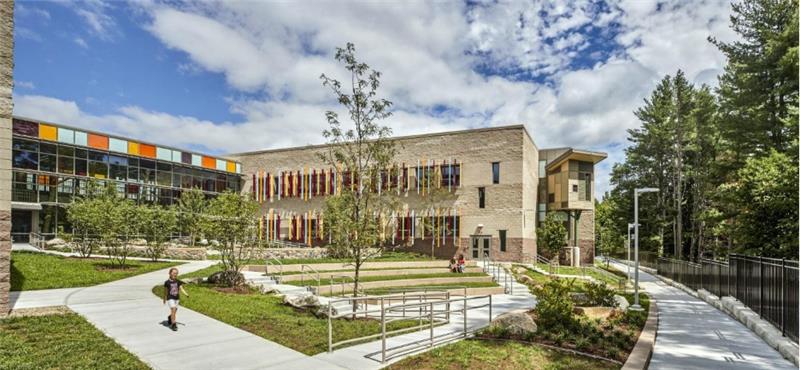
Saving on School Construction
A new school is a big financial and community investment. It makes a community more attractive to students, teachers, families, […]
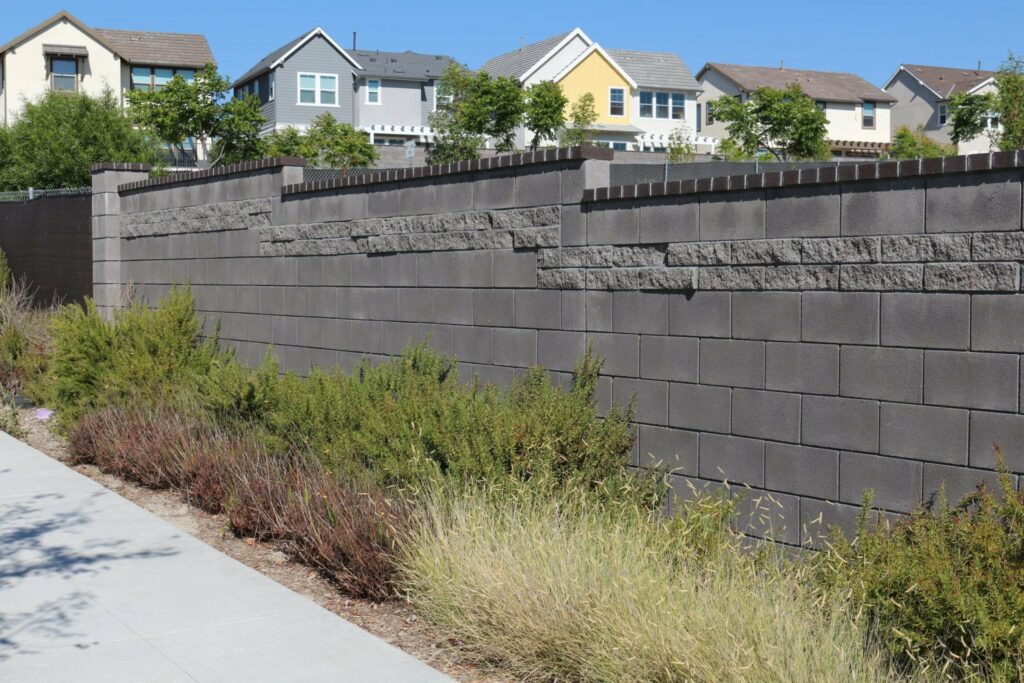
Insurance: Impacted by Material Choices
With the increased risk of disasters and the cost of construction; insurance costs are up. But, they aren’t going up […]
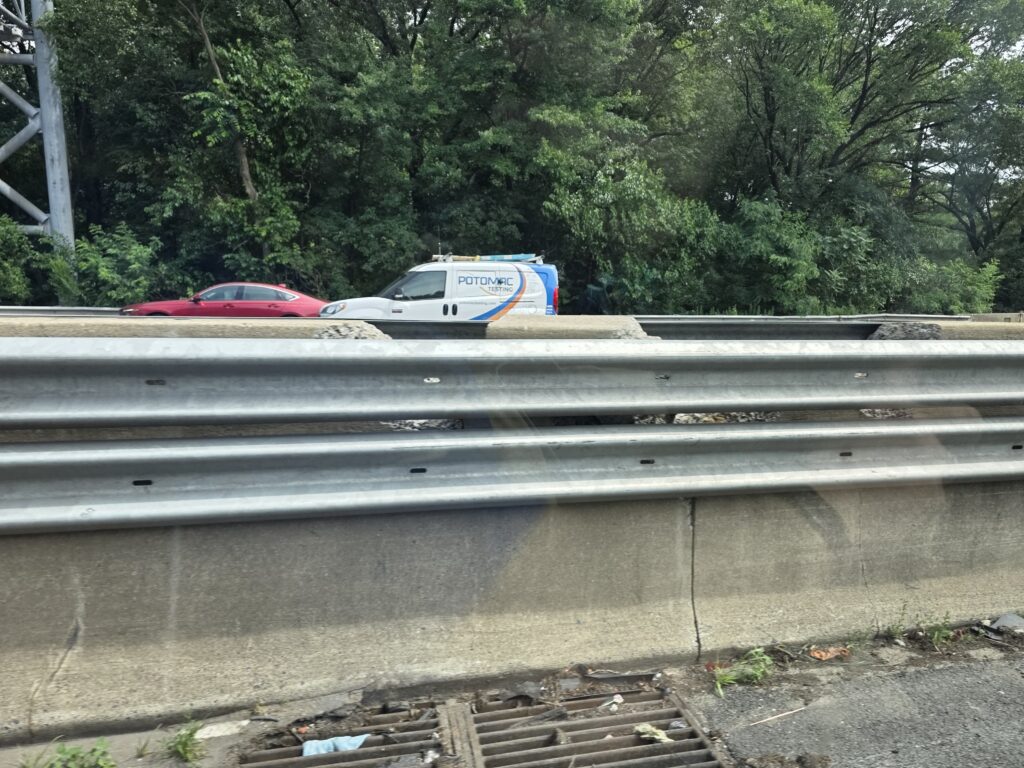
Wastefully Fixing Traffic Barriers
On I-495 and I-270, MDOT has been stapling Steel W-Beam Barriers to crumbling concrete barriers. What happened to these barriers? And […]
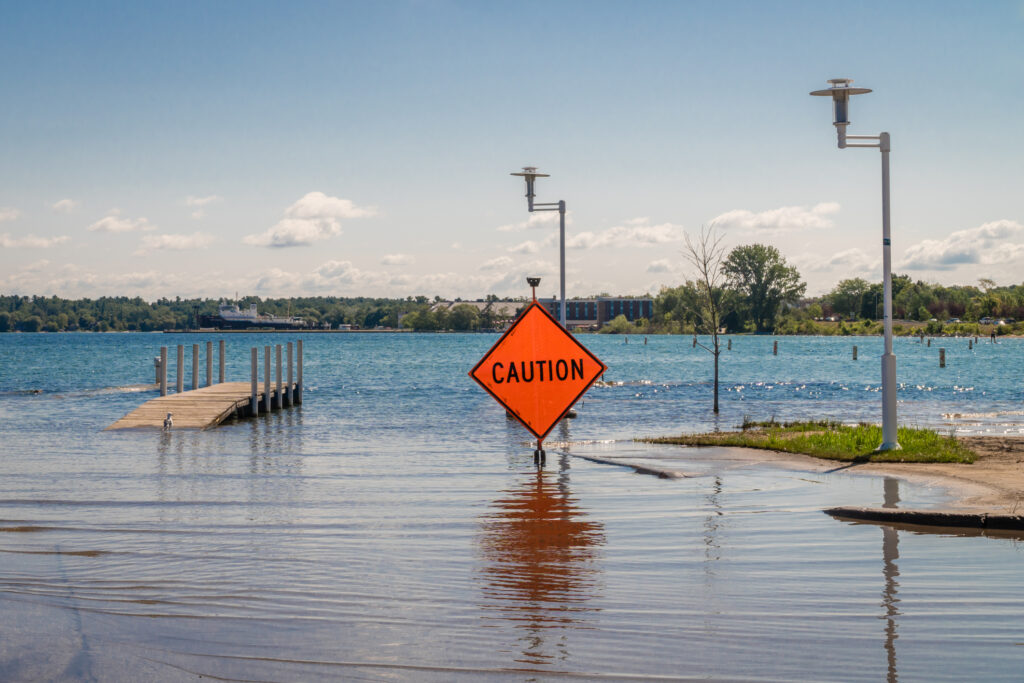
Building for Tomorrow, Today
Every building or structure has a designated lifetime: 30 years, 50 years, 100 years. However what happens when the conditions […]
