Sustainable Pavement: Beyond the EPD
As the push to drive down embodied carbon in construction expands, many more folks are being exposed to EPDs (environmental product declarations) and the concepts around sustainability and resiliency. Awareness is a great first step, but often we aren’t educating folks sufficiently. They are making simple decisions that look narrowly at the GWP (global warming potential aka CO2e) of a material, choosing the lowest, declaring themselves sustainable, and then going on with their lives.
One of the major challenges to a sustainability novice, is the challenge of functional unit (aka serving size). Each EPD is based on a functional unit, for concrete this is per cubic meter (m3), while for asphalt this is metric ton. Does 1 metric ton of asphalt equal 1 m3 of concrete? Does it do the same thing? Even if both were per the same unit, do they function the same? That is, does your roadway have to be the same thickness? Framed another way: this is like saying you shot a 36 on your last 18 holes, only to later admit it was miniature golf. Context—or in this case functional unit—matters.
This is why it is not allowed to compare products from different PCR (product category rules) with each other, because they have different functional units. Instead comparison is done by rolling the EPD’s up into an LCA for the whole project, which allows users to compare like with like. This means a lot of work must go into a simple statement, like “we made the sustainable choice”.
The other thing to keep in mind is that while cost is a good proxy for things like sustainability by way of energy and effort, it does not tell the whole story. While we have been focused on pavement material choice as the most visible sign of sustainability, it isn’t always driving the bus. The Carbon Leadership Forum did a study on the sustainability of roadway pavement LCA’s. While pavement material choice accounted for 51% of all costs it only counted for about one-quarter of the CO2 emissions. Conversely, many smaller project cost items have an outsized impact on the CO2 emissions, including earthwork and demolition.

And while embodied carbon is part of the story it isn’t the whole story. Structures and roadways function differently and have different properties—albedo/reflectivity, stiffness, and longevity. A choice in one area always has effects elsewhere. The key challenge in the drive for sustainability and resiliency is to be able to balance all of those demands. Ignoring them means that while we made the right decision for today, we’ve made a bad decision for those coming after us.
Interested in diving deeper on sustainable roadways: 2024-02-09-Infrastructure-Toolkit-Part-II_-EC-Accounting-for-Roadways
2 – Accounting for Embodied Carbon in Roadway Infrastructure

VP of Business DevelopmentAaron Fisher
Latest News
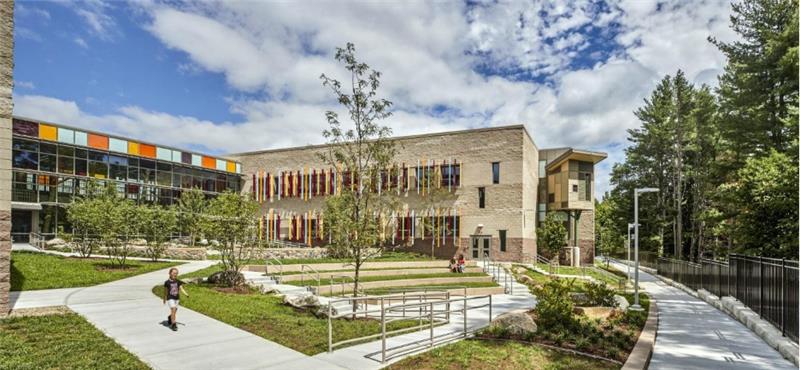
Saving on School Construction
A new school is a big financial and community investment. It makes a community more attractive to students, teachers, families, […]
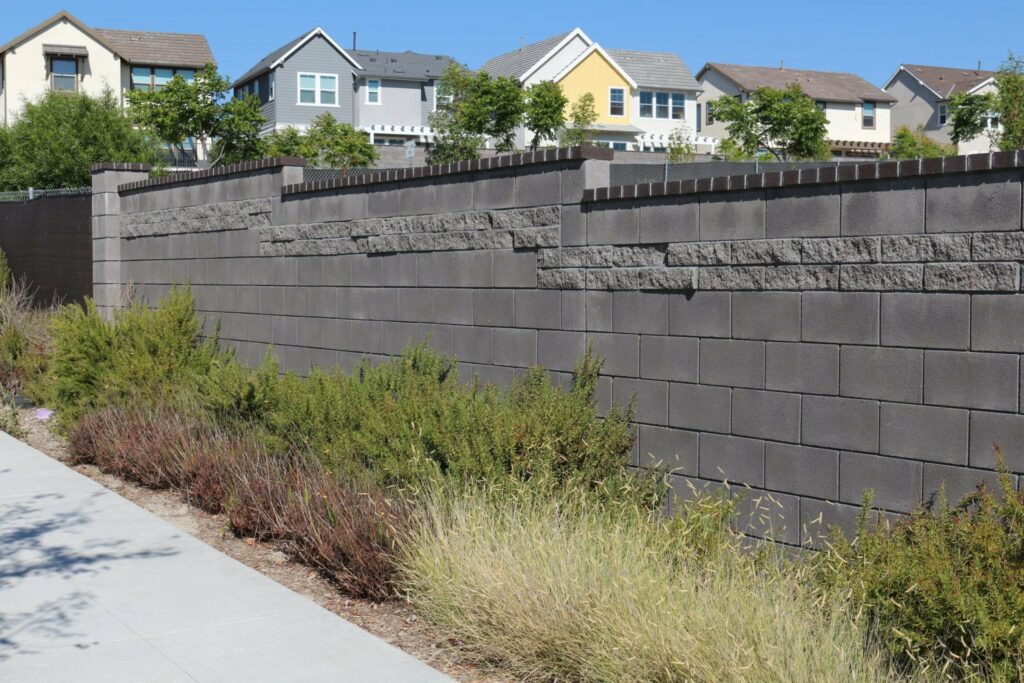
Insurance: Impacted by Material Choices
With the increased risk of disasters and the cost of construction; insurance costs are up. But, they aren’t going up […]
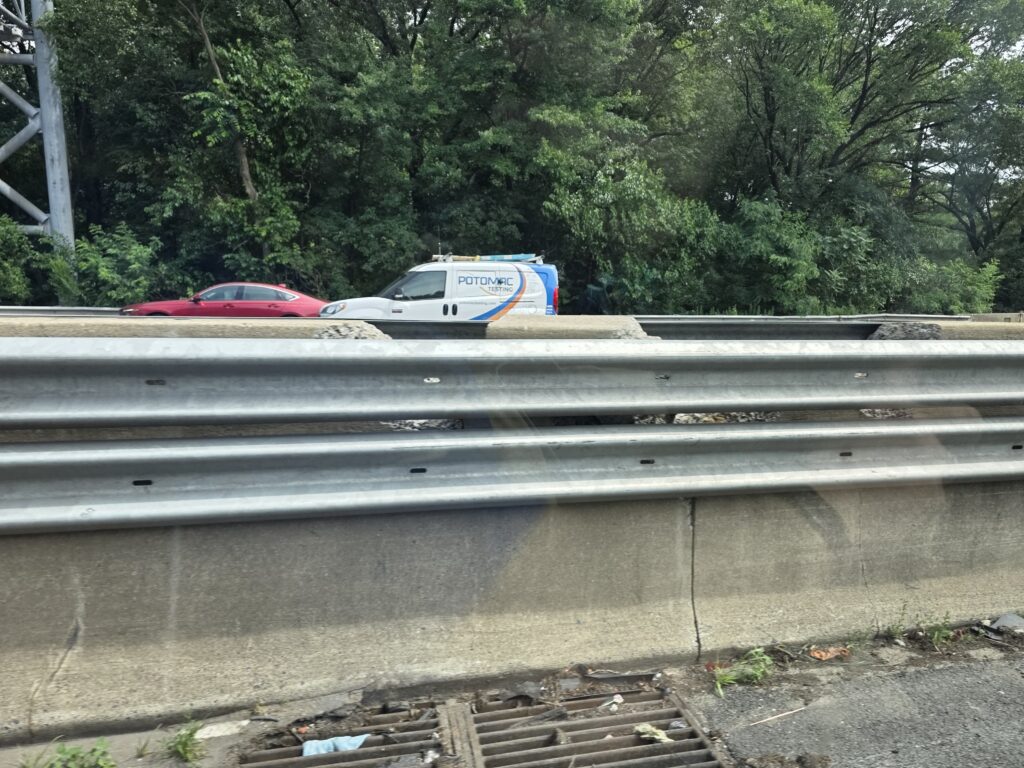
Wastefully Fixing Traffic Barriers
On I-495 and I-270, MDOT has been stapling Steel W-Beam Barriers to crumbling concrete barriers. What happened to these barriers? And […]
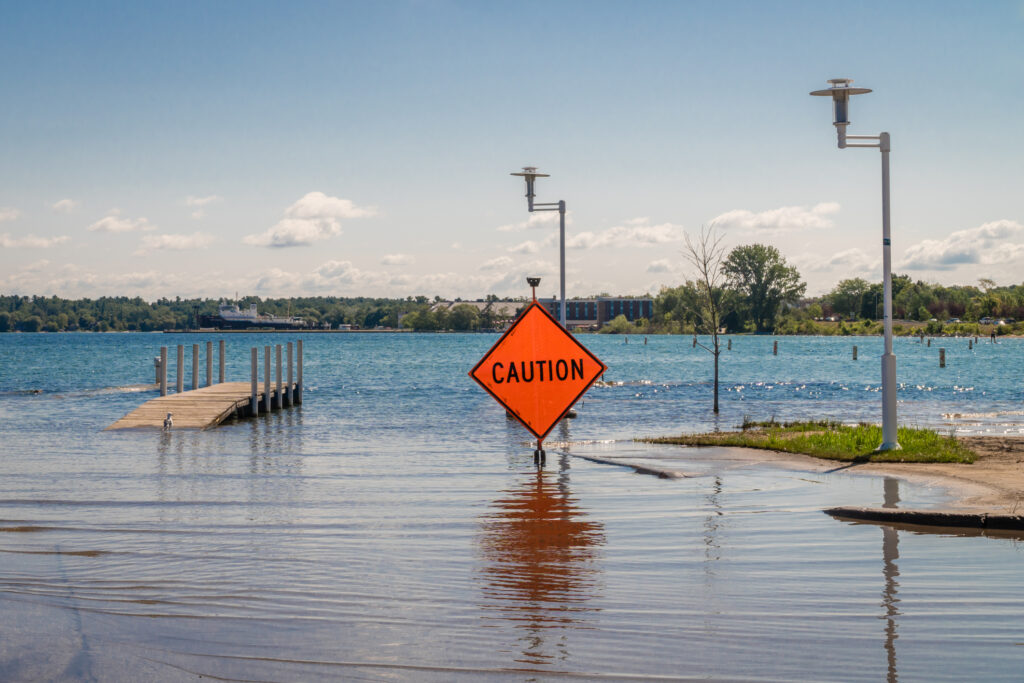
Building for Tomorrow, Today
Every building or structure has a designated lifetime: 30 years, 50 years, 100 years. However what happens when the conditions […]
