Understanding Steel Handrail Fabrication
Steel handrail fabrication turns simple metal sections into strong, precise, and attractive rail systems for stairs, ramps, balconies, and walkways. It blends engineering, craftsmanship, and design to create railings that feel solid in the hand, meet building standards, and suit the character of each project.
In practice, this means every bend, weld, and fixing is thoughtfully planned. A well-fabricated steel handrail does its job quietly, guiding people with confidence while adding subtle architectural interest throughout the space.
From Design Concept to Detailed Plans
The process begins with layout and intent. Architects and engineers decide how the handrail will follow stairs, landings, and ramps, taking into account comfort, sightlines, and compliance with local rules on height, clearances, and grip.
These ideas become detailed drawings that define dimensions, materials, post spacing, bracket types, and fixings. Clear documentation lets the fabrication team work with precision and helps coordinate with other trades so mounting points, wall finishes, and structural supports all align.
Materials and Key Components
Steel handrails typically use a mix of tube, bar, and plate sections, each selected for strength, comfort, and visual style. Round or oval tubes often form the main gripping rail, while square or round posts provide support and stability along the run.
Material choice depends on the environment. Mild steel paired with protective coatings works well indoors, while stainless steel suits areas exposed to moisture or aggressive cleaning, such as exterior stairs, public facilities, and coastal locations.
Cutting, Forming, and Bending
Once materials are chosen, fabricators cut steel sections to accurate lengths so joints line up neatly and rails flow cleanly along the stair or balcony edge. Precision cutting reduces gaps and misalignment that can show up later in installation.
Curved or helical layouts call for careful bending or rolling. Skilled operators form tube and bar so they follow the exact pitch and radius required, avoiding flat spots or kinks that would spoil the line or affect comfort. This step gives the handrail its distinctive shape and helps it sit naturally within the architecture.
Welding, Joining, and Structural Integrity
Welding ties the system together. Posts attach to base plates, rails connect to returns, corners, and terminations, and brackets fix to walls or stringers through a sequence of controlled welds.
For exposed architectural work, welds are often dressed and smoothed so joints appear seamless. In some designs, clean, visible weld beads form part of the aesthetic and speak to the industrial character of the space. Bolted and screwed connections are also common at base plates and demountable joints, supporting adjustment, maintenance, or future modification.
Comfort, Codes, and Proportions
Handrails must feel comfortable and intuitive. Profile shape, diameter, and edge treatment all influence how secure the grip feels to people of different ages and abilities.
At the same time, building regulations guide key dimensions such as height, spacing of posts and infill, and clear distance from walls or obstacles. Good fabrication respects these constraints while still delivering a design that fits the style of the building, from minimalist interiors to hardwearing industrial settings.
Finishes, Protection, and Visual Impact
Surface preparation is a quiet hero of long-lasting steel handrails. Cleaning, grinding, and blasting remove contaminants and create a suitable key for coatings, which helps protect against rust and wear.
Popular finish options include powder coating in a wide range of colors, hot-dip galvanizing for robust outdoor protection, and brushed or polished stainless steel for a clean, modern look. The chosen finish influences not just durability but also how the handrail interacts with light, flooring, and nearby architectural elements.
Custom Details and Design Flair
Custom steel fabrication allows for far more than a simple straight rail. Designers can introduce gentle returns, sweeping curves, or crisp geometric angles that echo the lines of the building.
Infill choices add another layer of expression. Options range from glass panels and cables to perforated metal and steel bars, each offering a different balance of openness, privacy, and security. Thoughtful detailing at wall brackets, terminations, and transitions between floors can turn a standard handrail into a distinctive feature.
Partner with Specialists in Steel Handrails
Bring your next handrail project to a team that works with steel every day. Ernest Maier’s Steel Division fabricates structural, residential, and miscellaneous steel, including the components that turn handrail designs into strong, long-lasting installations.
From beams and rebar to custom miscellaneous metalwork, our Gaithersburg-based steel operation is structured to support both commercial and residential projects with dependable supply and skilled fabrication. Talk to us about your upcoming steel handrail work and tap into a partner ready to deliver practical solutions and clean, precise results.

Steel Division SalesStorm Veney
Latest News
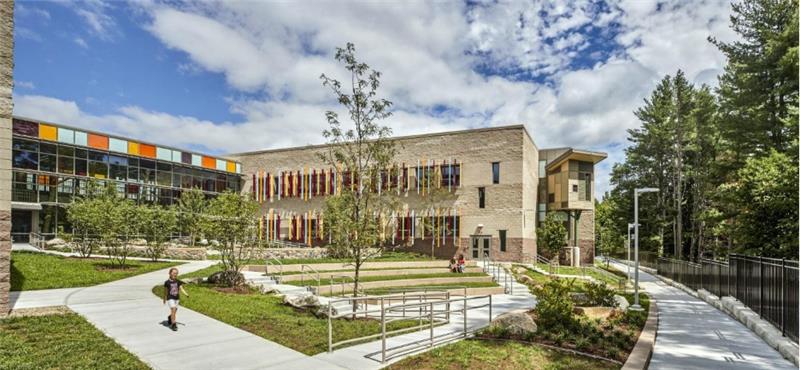
Saving on School Construction
A new school is a big financial and community investment. It makes a community more attractive to students, teachers, families, […]
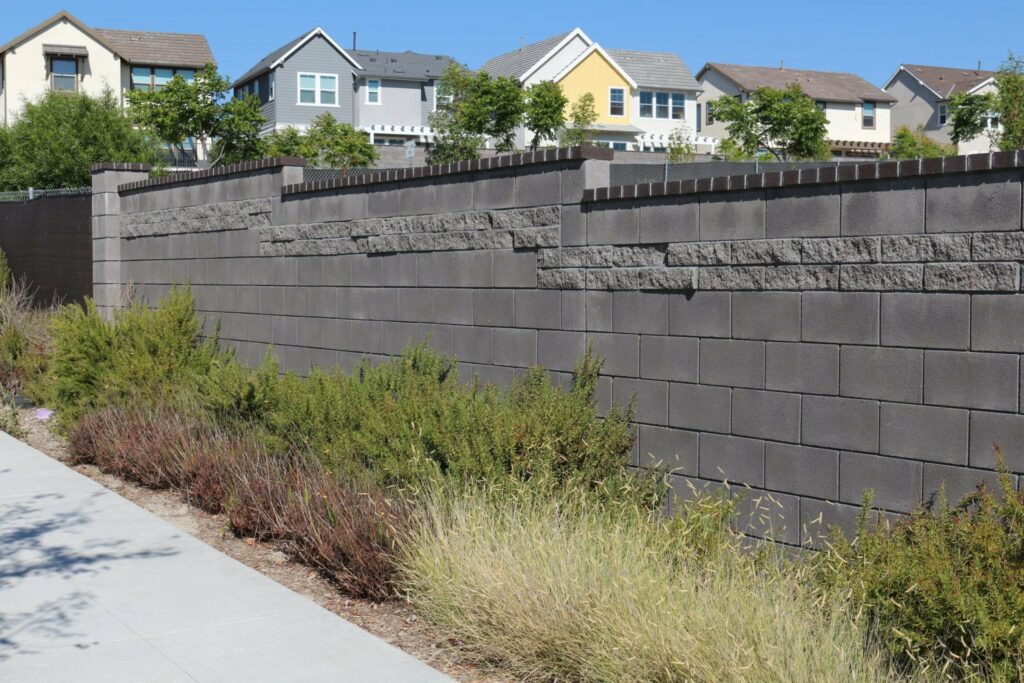
Insurance: Impacted by Material Choices
With the increased risk of disasters and the cost of construction; insurance costs are up. But, they aren’t going up […]
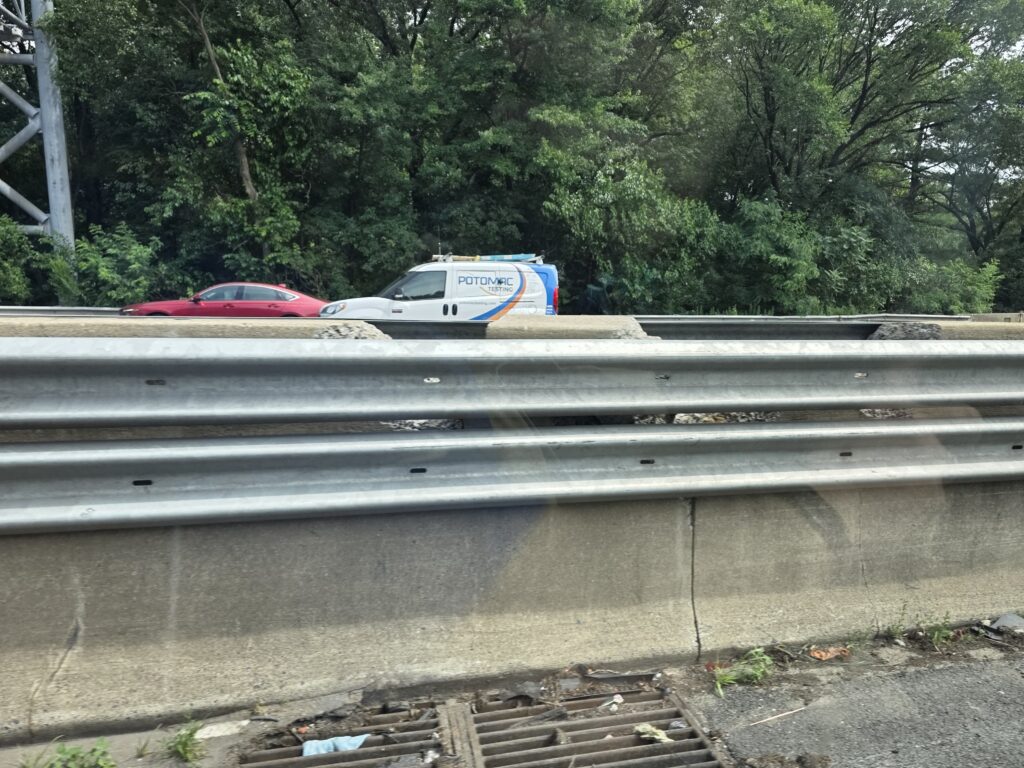
Wastefully Fixing Traffic Barriers
On I-495 and I-270, MDOT has been stapling Steel W-Beam Barriers to crumbling concrete barriers. What happened to these barriers? And […]

Building for Tomorrow, Today
Every building or structure has a designated lifetime: 30 years, 50 years, 100 years. However what happens when the conditions […]
