What a Structural Steel Fabricator Does: An Inside Look
Before a beam ever rises into the skyline, it spends time in the hands of a structural steel fabricator. This is the team that turns lines on drawings into solid, load‑bearing components. Their world is part workshop, part lab and part construction site, with sparks flying, tape measures snapping, and cranes humming in the background.
Step inside a fabrication shop and you see the real bridge between design and construction. Every column, brace, and connection is touched, checked, and shaped by specialists who mix technical knowledge with practical craft.
Turning Drawings into a Game Plan
The fabricator’s day often starts at a desk rather than a cutting bench. They study structural and shop drawings, checking dimensions, connection types, camber requirements, and material specifications. Any missing information or clashes must be picked up early, before steel is cut.
From there, they break the project into workable packages. Material takeoffs are prepared, cutting lists are generated, and sequences are planned. The goal is simple: keep machines busy, reduce waste, and move components smoothly from raw stock to finished assemblies without chaos on the shop floor.
Cutting, Drilling and Shaping Steel
Once the plan is clear, the physical work begins. Fabricators mark beams, plates, and hollow sections using tapes, squares, and layout tools, then send them to saws and cutting stations. Here, stock lengths are transformed into the precise pieces needed for each part of the frame.
Drilling and punching follow close behind. Holes for bolted connections, base plates, and bracing must line up perfectly when the structure is assembled. Fabricators manage this by using jigs, templates, and careful measurement, constantly checking that dimensions hold from one part of the workflow to the next.
Fitting, Welding and Assembly
The shop really comes alive at the fitting and welding stages. Fabricators bring cut and drilled components together, clamp them in position, and tack weld to hold everything in place. They check lengths, squareness, hole alignment, and any required camber, making adjustments before final welding begins.
Welding turns separate pieces into solid assemblies that can carry serious loads. Fabricators choose processes and settings to suit thickness, position, and access. They clean joints, monitor heat input, control distortion, and work closely with inspectors who verify weld sizes and quality. The result is a set of members ready for life on site.
Quality Checks, Finishing and Protection
A structural steel fabricator also plays the role of gatekeeper for quality. They measure finished pieces, confirm that connection details match the drawings, and record material heat numbers for traceability. Any non‑conformance must be corrected before the steel leaves the shop.
Surface preparation and protection sit near the end of the line. Fabricators arrange for blasting, painting, or galvanizing, and they protect key surfaces and bolt holes from damage. Marking and labeling are part of this stage as well. Each piece receives an identification mark that tells erectors where it belongs in the overall structure.
Bring a Structural Steel Partner onto Your Team
If you need a fabricator that lives in the real world of schedules, site constraints, and demanding specs, Ernest Maier Steel is ready to step in. From our Gaithersburg facility, we deliver structural steel, beams, rebar, miscellaneous metals and Corten steel for both commercial and residential work.
As part of the Ernest Maier family serving the Mid-Atlantic, we connect you to block, masonry and ready‑mix supply as well, so your frame, foundations, and finishes all pull in the same direction. Talk to us and give your next structure a dependable steel backbone.

Steel EstimatorNelson Proulx
Latest News
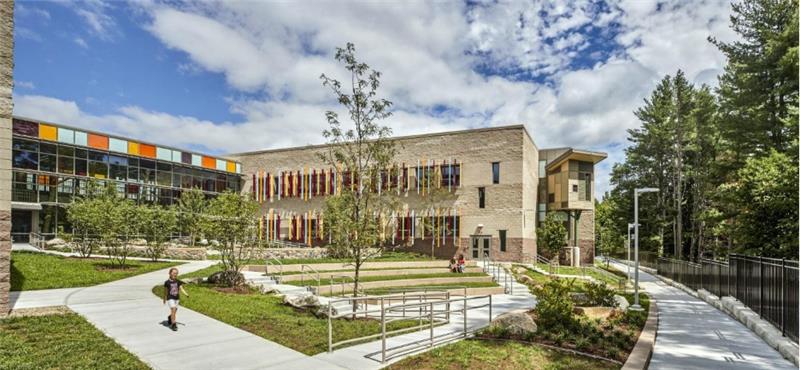
Saving on School Construction
A new school is a big financial and community investment. It makes a community more attractive to students, teachers, families, […]
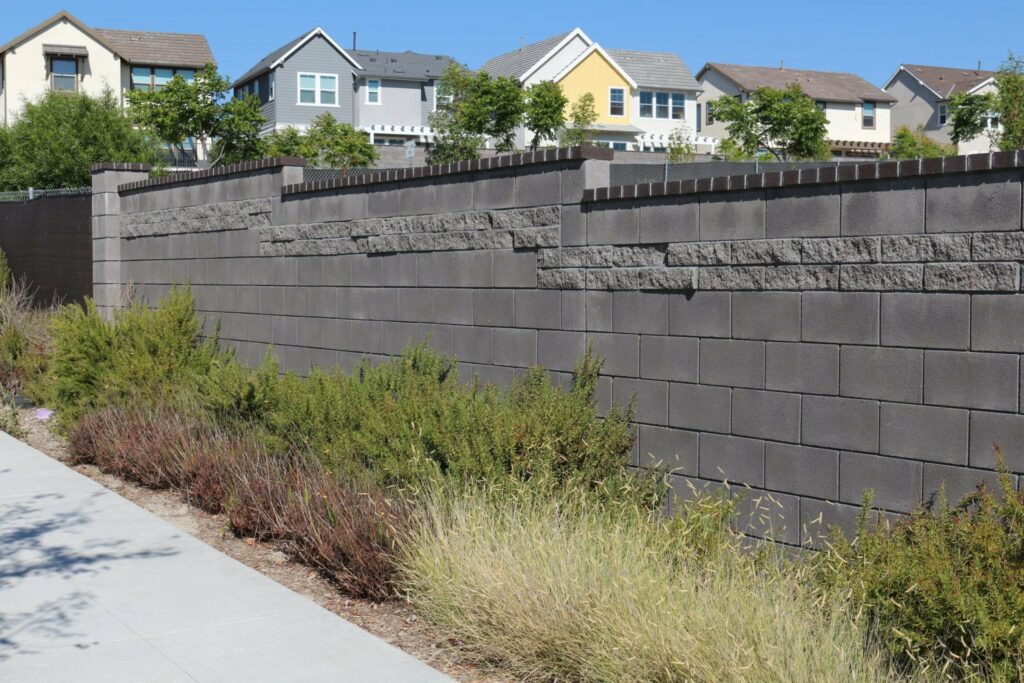
Insurance: Impacted by Material Choices
With the increased risk of disasters and the cost of construction; insurance costs are up. But, they aren’t going up […]
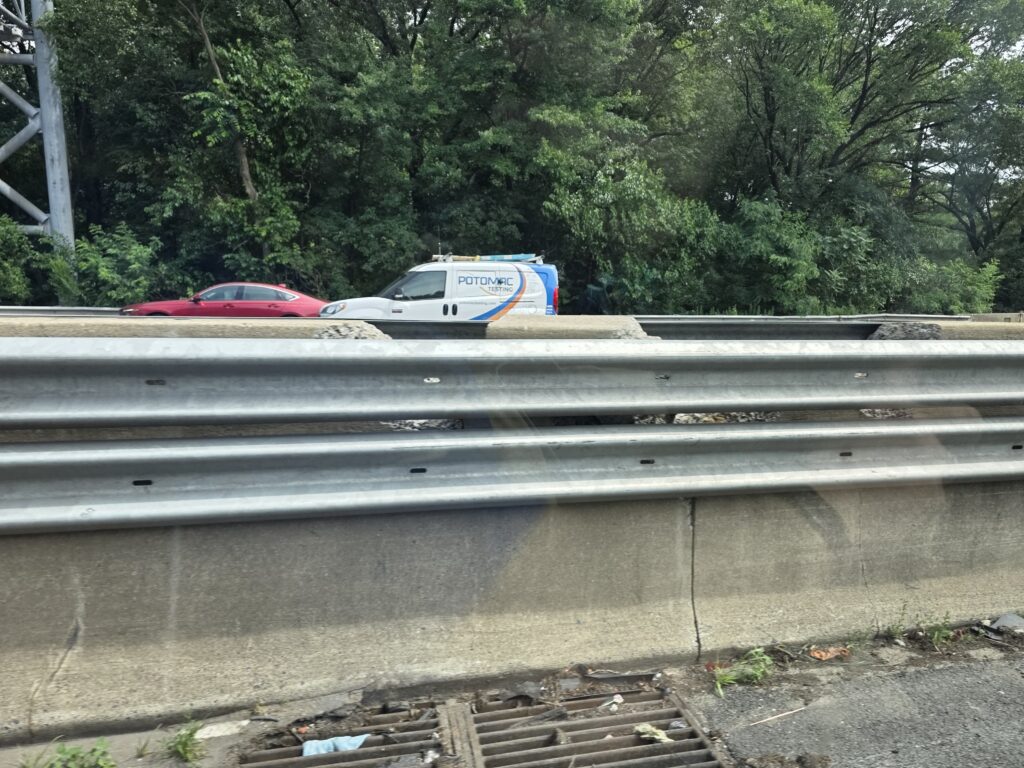
Wastefully Fixing Traffic Barriers
On I-495 and I-270, MDOT has been stapling Steel W-Beam Barriers to crumbling concrete barriers. What happened to these barriers? And […]
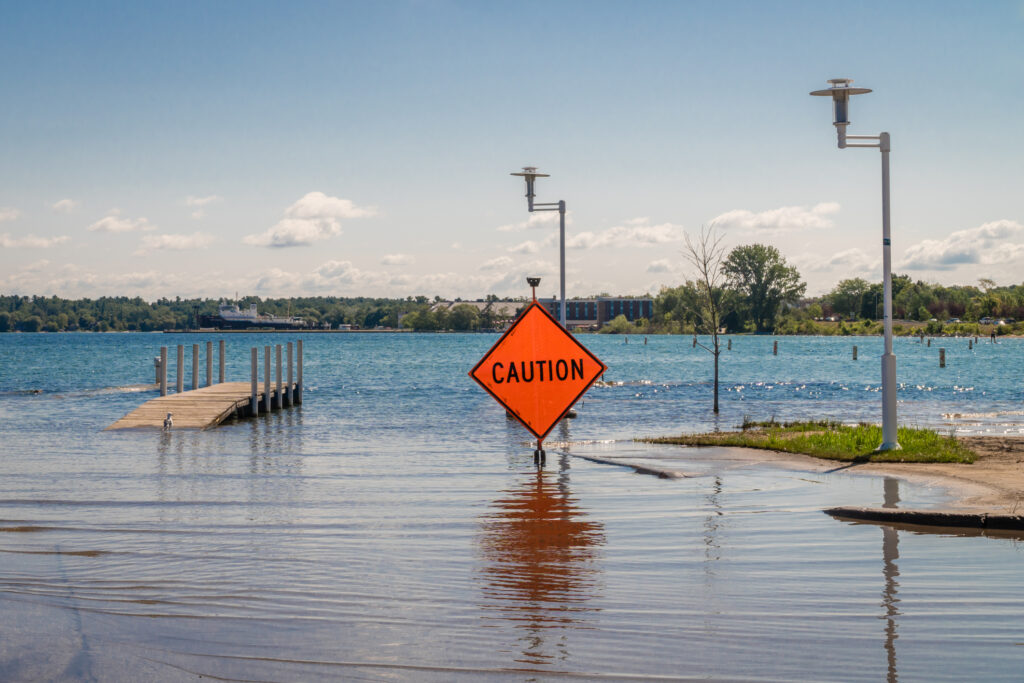
Building for Tomorrow, Today
Every building or structure has a designated lifetime: 30 years, 50 years, 100 years. However what happens when the conditions […]
