When Winter Won’t Quit
Winter driving is a challenge—snow, ice, and other drivers present a clear challenge to travel. Fortunately we have plows and salt to keep traffic moving on bare pavement as quickly as Mother Nature can dish it out.
Salt: A Double-Edged Sword
While it melts the snow and ice, salt also damages the environment. Among the more insidious effects is that salt damages plants.
Just how bad is it and how obvious of a problem is salt? Take a look.
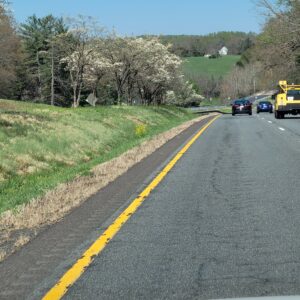
Salting the Earth
As Spring takes root along the roadway it’s very clear that the 12″ of grass adjacent to the roadway is dead. And while it could be other things (eg oil or litter), nothing else is applied as uniformly as salt. Per Occam’s Razor: The simplest answer is usually right. Salt killed the grass.
Look just a little further and you can see the grass swale that is there to manage and remediate stormwater. Having dead plants and salted soil only compounds the runoff problem. Meaning our use of salt is not only damaging the environment, but also requiring us to overdesign our stormwater infrastructure.
Build It Better
Perhaps it’s time to rethink our roads and how we look at the interface back to nature. And maybe use heat instead of salt.

VP of Business DevelopmentAaron Fisher
Latest News

Saving on School Construction
A new school is a big financial and community investment. It makes a community more attractive to students, teachers, families, […]
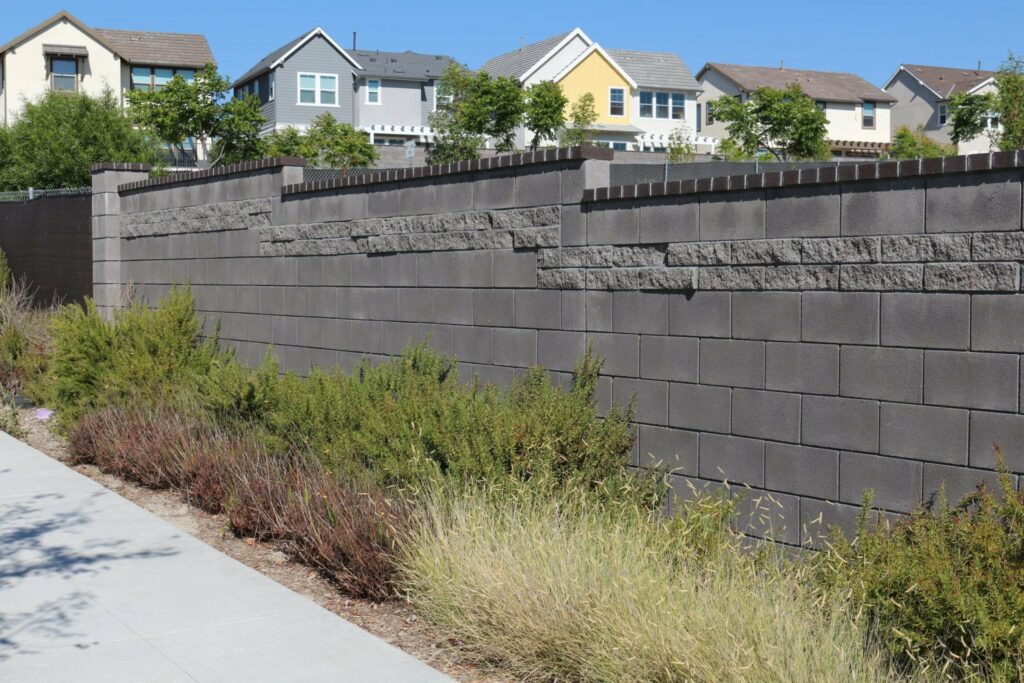
Insurance: Impacted by Material Choices
With the increased risk of disasters and the cost of construction; insurance costs are up. But, they aren’t going up […]
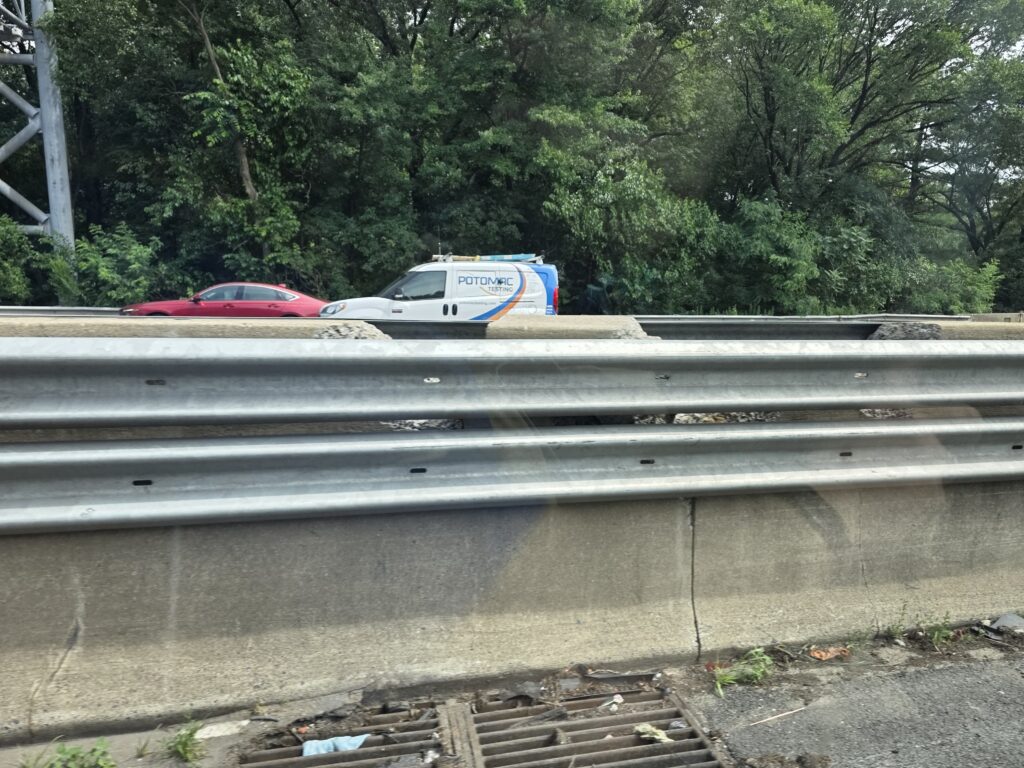
Wastefully Fixing Traffic Barriers
On I-495 and I-270, MDOT has been stapling Steel W-Beam Barriers to crumbling concrete barriers. What happened to these barriers? And […]
Building for Tomorrow, Today
Every building or structure has a designated lifetime: 30 years, 50 years, 100 years. However what happens when the conditions […]
