Mass Timber in 2025: Still Not Green
A few years back I wrote an article, pushing back on the claims that all things wood are sustainable. Simply stated, the lumber industry presents their numbers in a way that shows the more wood you use, the more sustainable your building (lower CO2 emissions). Using more of anything is by definition less sustainable. The math isn’t mathing.
Additional voices are adding to this chorus. Articulating that wood is NOT inherently more sustainable than concrete.
Diving Deeper into Forestry Management
Corgan, a Dallas-based architect delved deeper into the effects of forestry management in their article: Understanding Real CO2e Emissions in Mass Timber.
This study focused on quantifying the carbon released in the management of slash—roots, bark, branches, foliage and other cedar, fir or pine logging operation debris or waste. Slash is rich in carbon but, in sharp contrast to hardened concrete, weak in CO2 storage potential. In most lumber EPD’s this is just kind of ignored, but is integral because a tree doesn’t grow without it’s leaves and small branches. However, none of these parts of the tree are transported to the factory to make mass timber. Accounting for these differences between the current biogenic carbon and the below ground and slash-released carbon can increase this value up to 30%-34% for structural columns, flooring, and framing.
In short we might are likely 30% worse than the published values. And in a world where the typical difference between structural material systems is ±10%, this is a massive difference.
Sources: concreteproducts.com/index.php/2025/05/09/catches-up-with-mass-timber-stakeholders/ and https://www.buildingenclosureonline.com/articles/93782-understanding-real-co2e-emissions-in-mass-timber-production
A More Holistic View
An article from the World Research Institute summarized their findings that increasing wood use is not likely to be the panacea to carbon emissions they claim.
Here are five interrelated reasons that turning to more wood for buildings is not a climate- or environmentally friendly solution overall:
- Most wood (and its stored carbon) is lost during production.
- Harvesting wood is not carbon-neutral.
- Using wood in construction will most likely increase climate warming for decades.
- Relying only on plantation forests in warm climates for mass timber might yield climate benefits from a specific hectare, but not when factoring in the growing needs for wood.
- Mass timber would have large adverse effects on the world’s forests.
The urgency of climate change is key. Though we don’t want to jump out of the frying pan and into the fire.

VP of Business DevelopmentAaron Fisher
Latest News
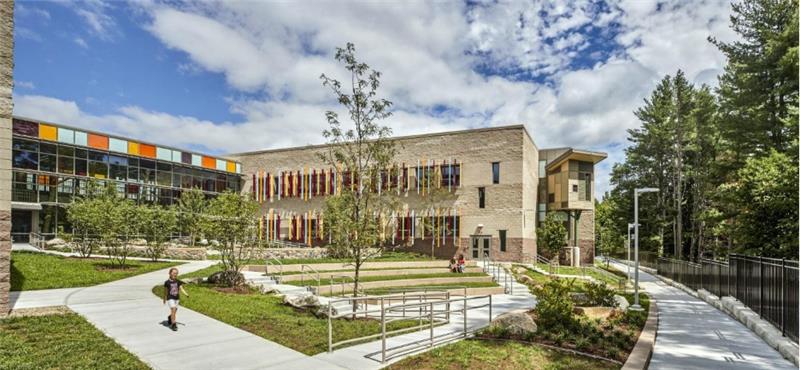
Saving on School Construction
A new school is a big financial and community investment. It makes a community more attractive to students, teachers, families, […]
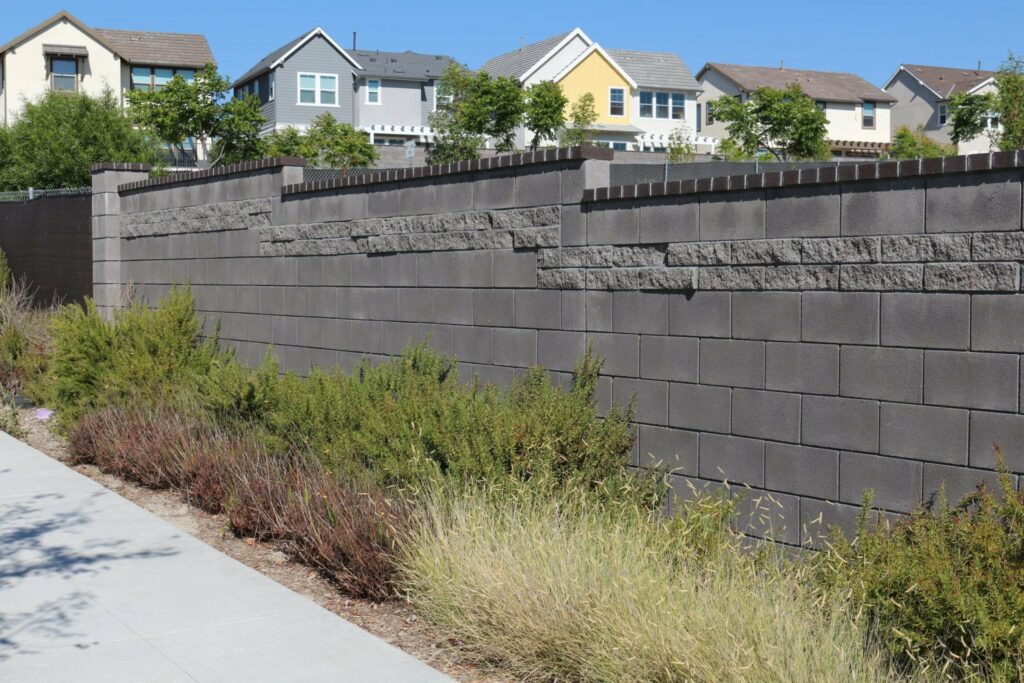
Insurance: Impacted by Material Choices
With the increased risk of disasters and the cost of construction; insurance costs are up. But, they aren’t going up […]

Wastefully Fixing Traffic Barriers
On I-495 and I-270, MDOT has been stapling Steel W-Beam Barriers to crumbling concrete barriers. What happened to these barriers? And […]

Building for Tomorrow, Today
Every building or structure has a designated lifetime: 30 years, 50 years, 100 years. However what happens when the conditions […]
