A Guide to Structural Steel Fabrication
Walk through any modern city and you are looking at the quiet work of structural steel fabricators. From soaring office towers to sprawling factories, the real story sits behind the scenes in workshops that cut, weld, and assemble steel into frames that hold everything up.
Structural steel fabrication turns raw sections into precise, load-bearing components. It is a mix of engineering discipline, craft skill and advanced machinery, all tied together by careful planning.
From Concept to Shop Drawings
The journey begins long before sparks fly on the shop floor. Structural engineers and architects define loads, spans, connection details, and bracing systems. Their design establishes how the building will resist gravity, wind, and other forces.
Detailers then translate these design drawings into shop drawings. These documents break the structure into individual members and assemblies with exact dimensions, hole sizes, plate thicknesses, weld symbols, and identification marks. Modern 3D detailing software helps catch clashes and missing elements early, saving rework later. Once approved, these drawings become the blueprint for the entire fabrication process.
Selecting the Right Steel
Not all projects demand the same steel. Fabricators work with different grades based on strength, toughness, weldability, and environmental exposure (eg Corten Steel). The frame of an inland warehouse, a coastal jetty, and a refinery pipe rack might all use different steel specifications.
Mills supply beams, columns, channels, angles, and hollow sections along with plates for gussets and base plates. Each batch arrives with material test certificates that confirm its chemical composition and mechanical properties. Traceability from these certificates to the finished component gives engineers confidence that the structure matches the design assumptions.
Marking and Measurement
Once steel stock reaches the shop floor, the first hands-on step is marking. Using the shop drawings, fabricators mark cut lines, hole centers, weld positions, and part numbers on each member. Accuracy here sets the tone for everything that follows.
Many modern shops use CNC equipment that reads digital files and performs layout automatically. Smaller or repair-focused shops still rely heavily on skilled fitters with tapes, squares, and scribers. Double-checking measurements at this stage avoids cascading dimensional errors later when assemblies come together.
Cutting: Shaping the Members
Cutting operations transform stock lengths and plates into the desired shapes. The method chosen depends on thickness, precision requirements and production volume. Oxy-fuel cutting works well for thick plates and heavy sections. Plasma delivers faster, cleaner cuts on medium thickness materials. Laser cutting offers high precision on thinner plates, while band saws handle straight cuts on beams and columns.
Good cutting practice matters more than it might seem. Clean, square cuts make fitting easier, reduce grinding, and help welds achieve full strength. Rough, jagged cuts introduce gaps, demand extra time and can weaken joints if not corrected properly.
Drilling and Punching
Bolted connections dominate modern steel structures, so hole quality deserves close attention. Holes must match the diameters, spacing, and edge distances shown on the drawings. CNC drilling and punching lines handle much of this work, processing beams and plates rapidly while keeping tolerances tight.
If holes are too tight, erection crews struggle on site. If they are too loose, connection performance drops. Periodic checking with gauges and templates safeguards against drift in machine settings. When thousands of holes align smoothly in the field, the payoff of accurate drilling in the shop becomes obvious.
Fitting and Pre-assembly
With cutting and drilling complete, components move to fitting. Here, fabricators bring members, plates, and stiffeners together to create assemblies such as beams with end plates, frames with bracing or truss segments. They clamp, check, tack weld, and measure.
Fitters verify overall length, squareness, straightness, and any required camber. They confirm that holes line up across connected parts and that tolerances sit within the project’s limits. Tack welds hold everything in place while inspectors sign off the fit-up. Only then does the assembly move to full welding.
Welding: Joining the Structure
Welding gives structural steel its continuity. It transfers forces between members and shapes the final behavior of the frame. Common processes include shielded metal arc welding, gas metal arc welding, and flux-cored arc welding, each chosen for productivity, position, and material thickness.
Weld sizes, types, and lengths appear on the drawings and must be followed closely. Welders hold certifications for the processes and positions they use, supported by qualified welding procedures. Inspection does not stop at visual checks. Depending on project demands, quality teams apply magnetic particle or dye penetrant testing for surface cracks and ultrasonic or radiographic testing for internal flaws. Only welds that pass these checks count as acceptable.
Straightening, Grinding, and Preparation
Heat from welding can distort members, leaving them slightly bent or twisted. Straightening operations use presses, rollers, or controlled heating to bring components back within tolerance. This step protects fit-up on site and keeps the frame plumb and true.
Grinding removes sharp edges and smooths welds where they may interfere with bolted connections or exposed surfaces. Proper preparation here lays the groundwork for reliable surface protection later.
Corrosion Protection and Finishing
Steel and moisture form an unwelcome partnership. To resist rust, fabricators apply finishes based on the structure’s environment and expected life. Surfaces are often shot blasted first to remove scale, rust and contaminants, and to create a suitable profile.
After that, options range from primer-only systems for sheltered interiors to multi-coat paint systems for external frames. Galvanizing offers long-term protection, especially in coastal or industrial atmospheres. Specialized coatings serve chemical plants and marine structures that face aggressive conditions. The key lies in careful preparation and correct film thickness, both verified by inspection.
Ready to Build in Steel?
Partner with a team that lives and breathes structural steel fabrication. From custom beams for commercial frames to residential steel, rebar, miscellaneous metalwork and even Corten steel, Ernest Maier Steel delivers practical solutions that suit real-world jobs.
With fabrication handled from the Gaithersburg facility and backed by the broader Ernest Maier family of building supply brands serving the Mid-Atlantic, you get responsive service, reliable lead times and products that fit right the first time. Talk to EM Steel today and put a stronger frame behind your next project.

VP SteelRobert Harrison
Latest News
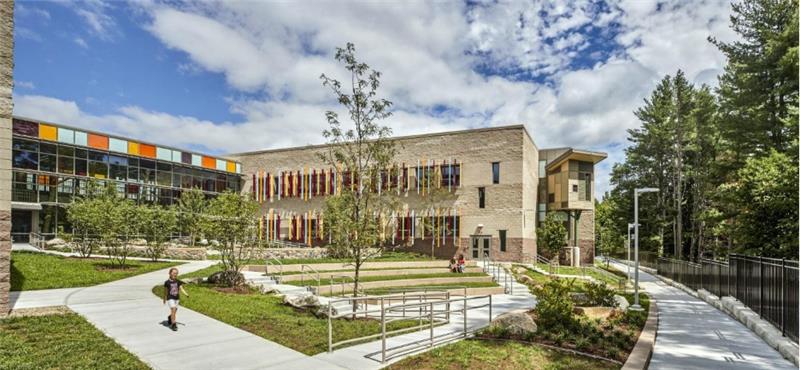
Saving on School Construction
A new school is a big financial and community investment. It makes a community more attractive to students, teachers, families, […]
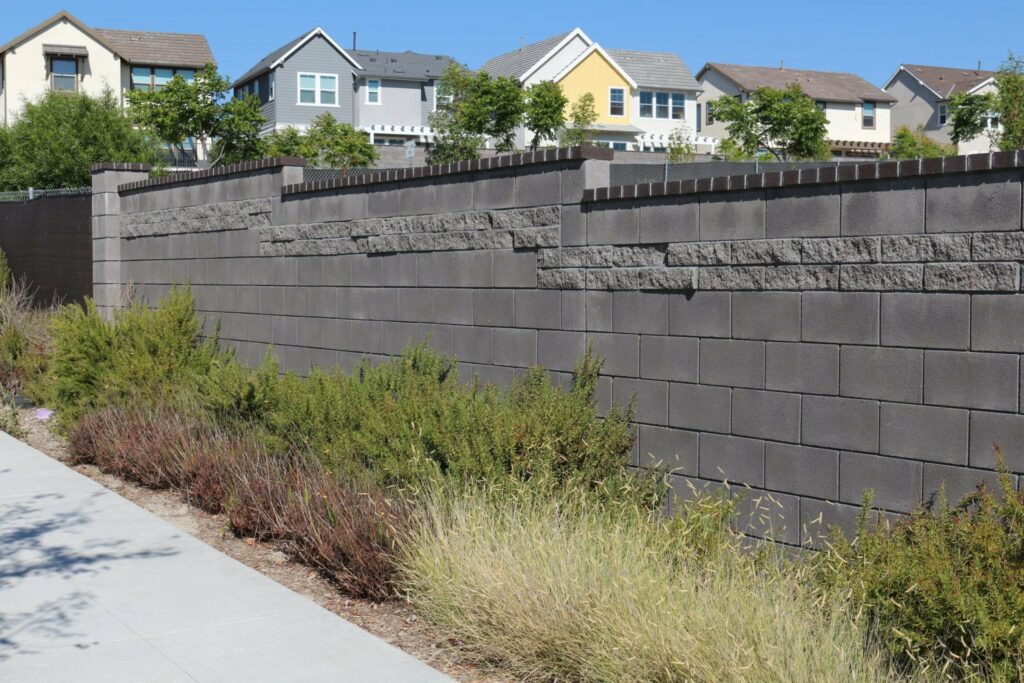
Insurance: Impacted by Material Choices
With the increased risk of disasters and the cost of construction; insurance costs are up. But, they aren’t going up […]
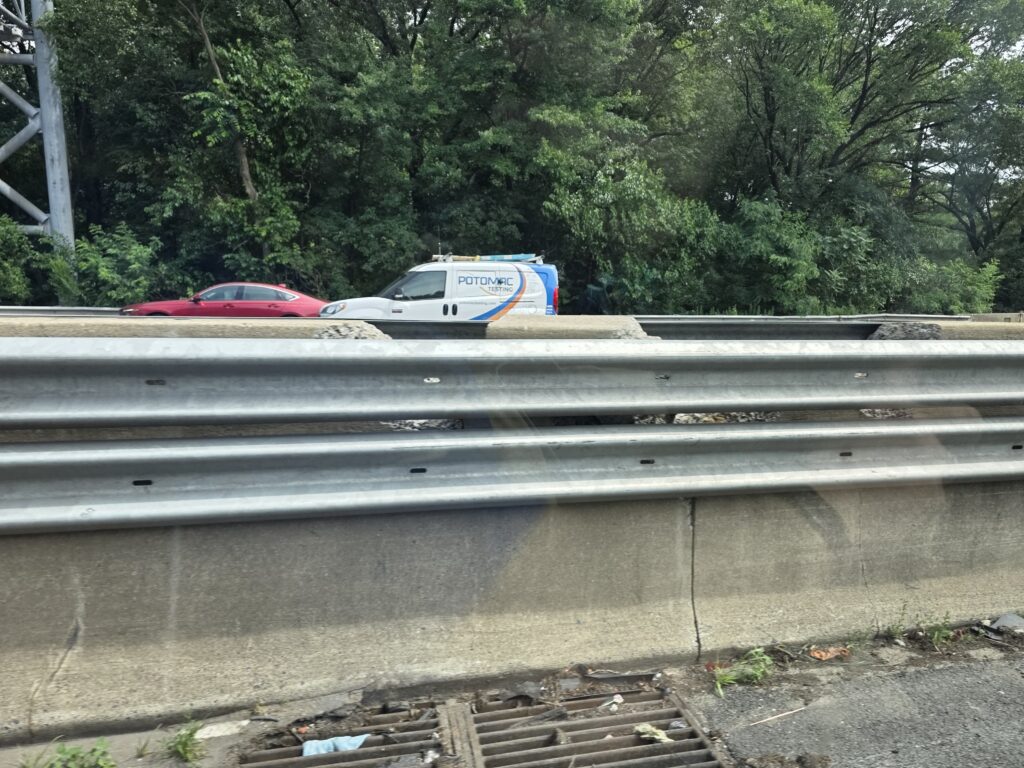
Wastefully Fixing Traffic Barriers
On I-495 and I-270, MDOT has been stapling Steel W-Beam Barriers to crumbling concrete barriers. What happened to these barriers? And […]
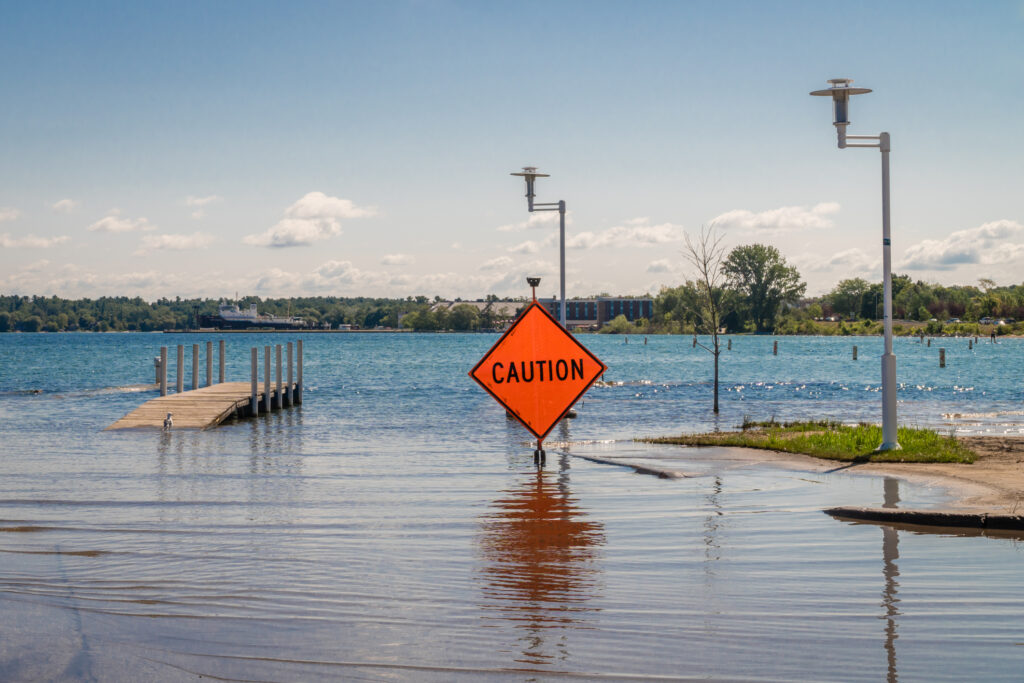
Building for Tomorrow, Today
Every building or structure has a designated lifetime: 30 years, 50 years, 100 years. However what happens when the conditions […]
