Insurance: Impacted by Material Choices
With the increased risk of disasters and the cost of construction; insurance costs are up. But, they aren’t going up evenly: materials matter.
I wrote an article a few years back on how insurance is how we see and financially account for risk. The financial signal has only gotten louder.
Wildfire
Wildfires are a real risk out West and really any place where forested lands abuts houses.
In helping to address wildfires the Insurance Institute for Business & Home Safety (IBHS) developed the Wildfire Prepared Multifamily Technical Standard. This document defines the science-based requirements used to evaluate whether a multifamily property qualifies for designation and reduced premiums.
The standard provides detailed specifications to reduce vulnerabilities that can lead to building ignition during a wildfire, focusing on Active vs Passive Fire Resistance strategies. Many of the other strategies require active and vigilant maintenance of vegetation. One though is pretty simple, choosing things that don’t burn.
Maximizing the use of non-combustible materials like masonry means a lower risk of fire and reduced insurance costs.
Flood
Moody’s (an insurance giant) recently issued a report quantifying up to $1 trillion in potential insurance protection gaps at the county level under different scenarios to provide a forward-looking view of risk exposure. When structures and communities incur flood damage someone has to pay to restore it.
“In particular, flood risk is a growing credit challenge for US state and local governments, given increased frequency and severity of flooding events, residential development in flood zones, and limited insurance coverage. Per Moody’s Ratings, residential flood exposure poses significant credit risk to US state and local governments, including through rising property insurance costs, declining property values and the need for extensive investment in climate-resilient infrastructure.
This report highlights a structural mismatch between the broadening of US flood risk exposure and insurance protection. Uninsured losses arise not from isolated outliers, but from persistent gaps between expanding flood hazards – particularly beyond regulatory flood maps that dictate mortgage requirements, as well as rarer, high-severity events – and insurance take-up.” source
Proper siting and permitting is a first start. Furthermore when building in higher risk areas, choosing materials like masonry that better resists water and mold, means the cost of the damage is reduced. Both of these actions directly lowers premiums and payouts, making flood insurance more affordable.
Builder’s Risk
While under construction, a contractor carries insurance called builder’s risk. Something happens, they are protected.
Sparks and fires are among the largest risks. And while occupied buildings have sprinkler systems, those under construction do not. In response insurers price the risk of combustible and non-combustible construction differently.
Choosing non-combustible masonry saves contractors money.
Looking for more ideas to build resiliently and save money.

VP of Architectural Sales- VirginiaJeff Carlson
Latest News
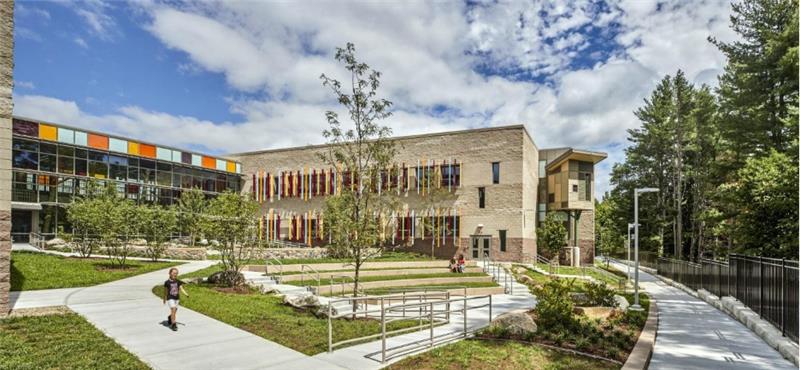
Saving on School Construction
A new school is a big financial and community investment. It makes a community more attractive to students, teachers, families, […]
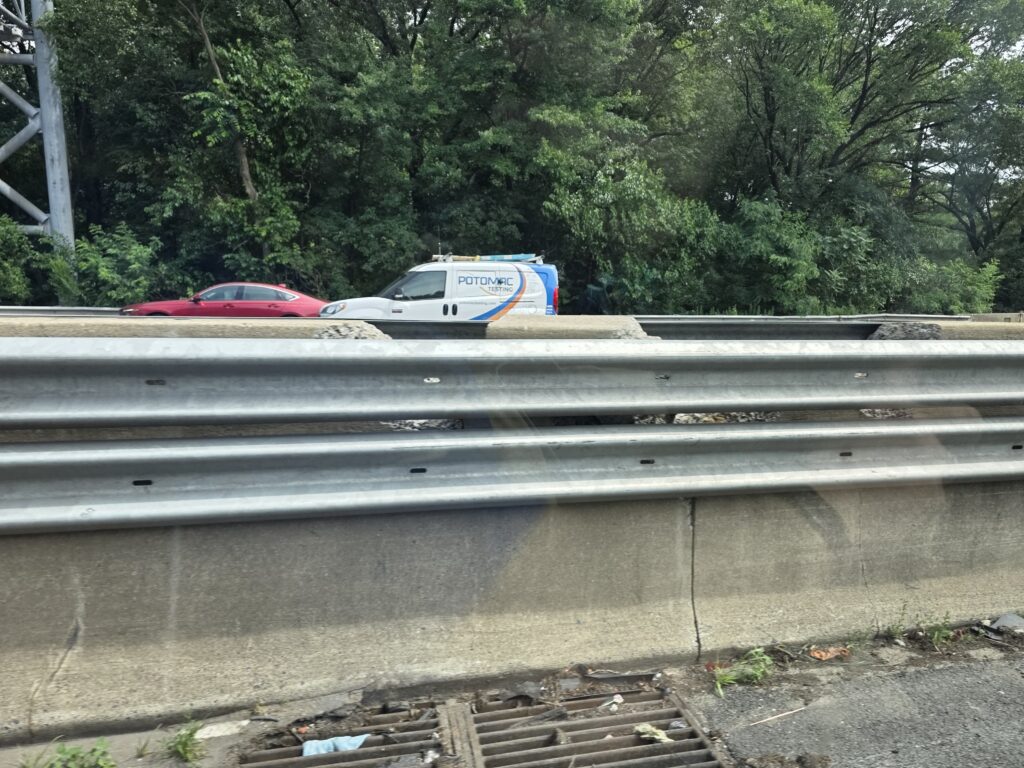
Wastefully Fixing Traffic Barriers
On I-495 and I-270, MDOT has been stapling Steel W-Beam Barriers to crumbling concrete barriers. What happened to these barriers? And […]
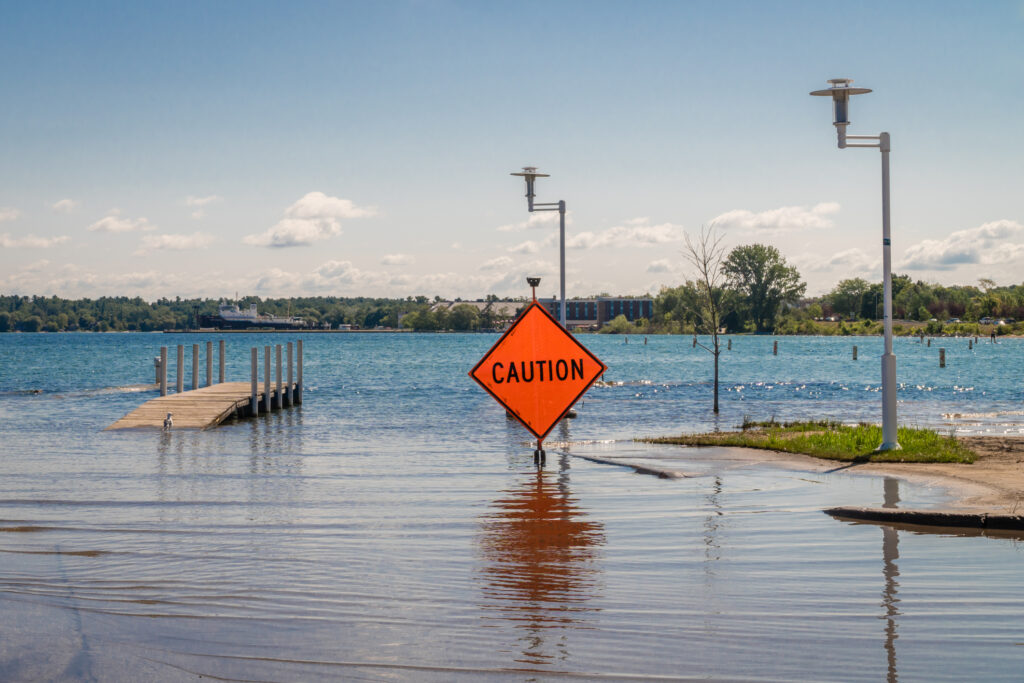
Building for Tomorrow, Today
Every building or structure has a designated lifetime: 30 years, 50 years, 100 years. However what happens when the conditions […]
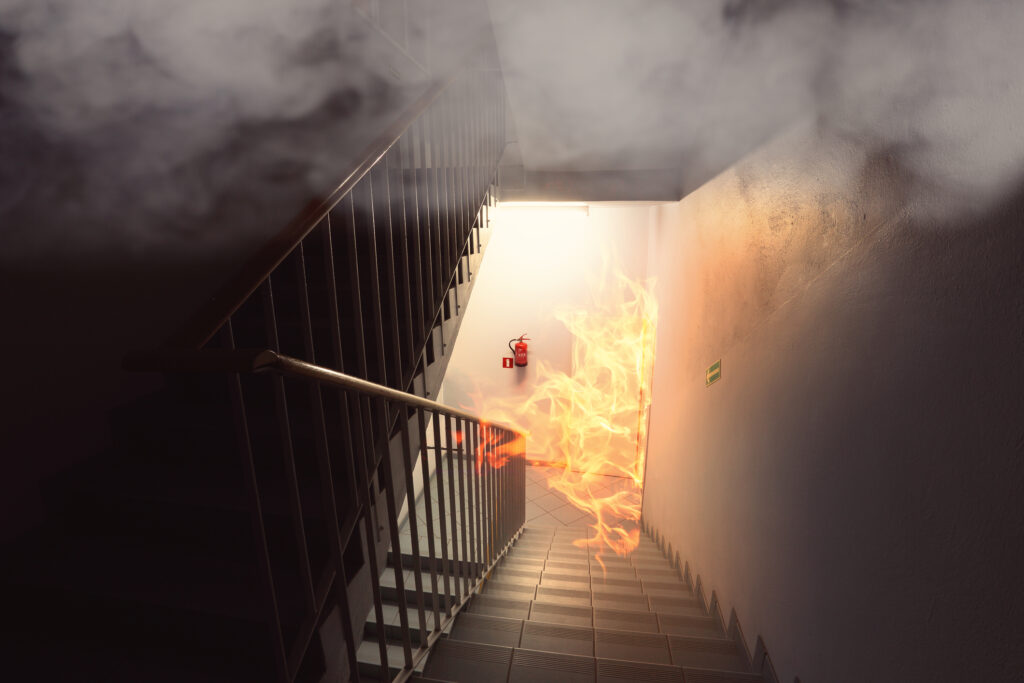
Single Stairwell: A Fire Failure
Recently a lot of jurisdictions have been considering and passing rules to only require 1 stairwell in multifamily residential buildings. […]
